

What Silence Teaches: Lessons from Kudakkallu Parambu
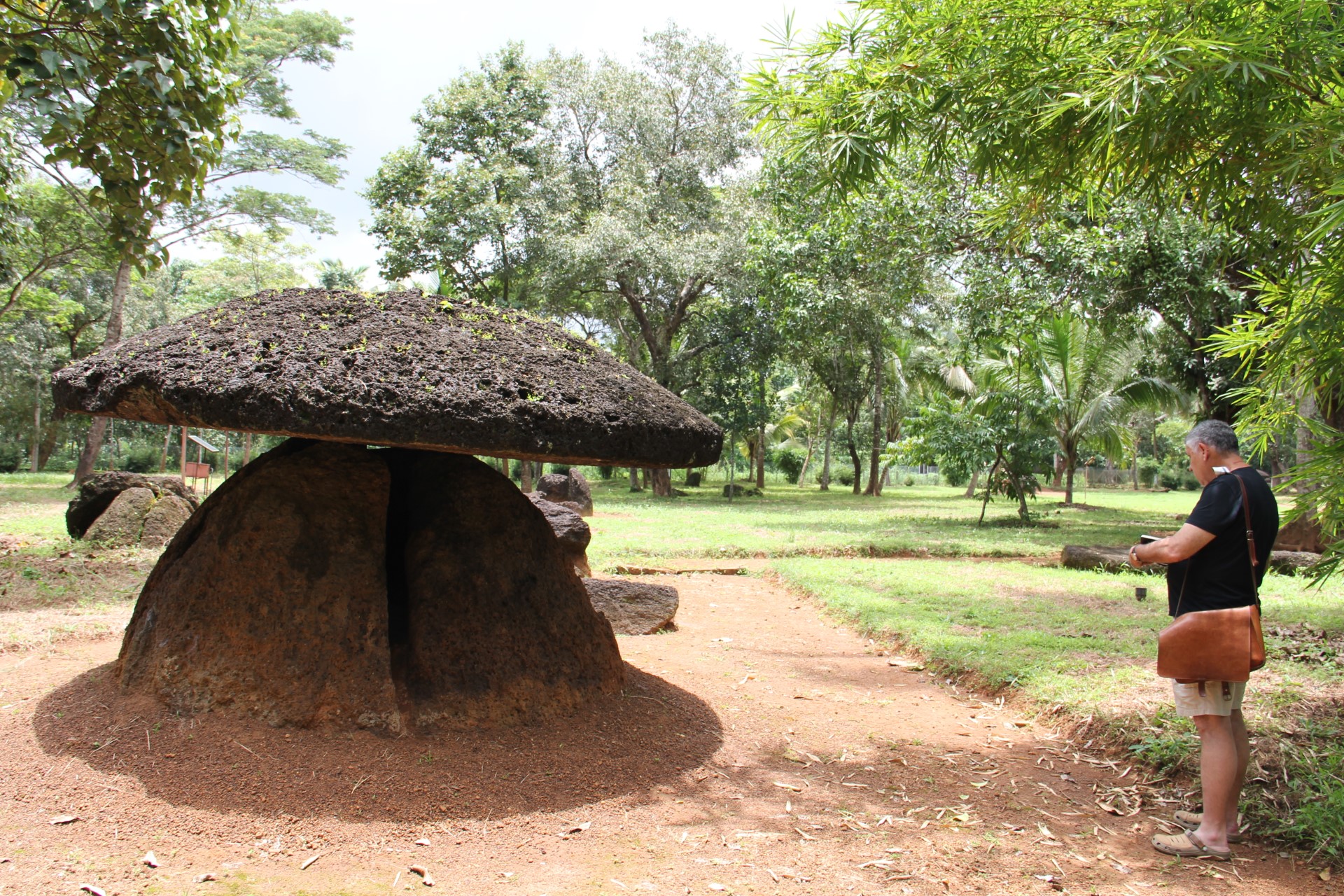
There is a place half an hour from our studio in Thrissur that we return to again and again. Not because it demands a visit, not because it announces itself with signage or spectacle, but because it has a way of making the present moment feel both small and significant at once. Kudakkallu Parambu sits quietly in Cheramanangadu, off a road that gives no hint of what lies beyond it. Ancient stones, umbrella-shaped and unhurried, have been standing in this landscape for somewhere between three and four thousand years.
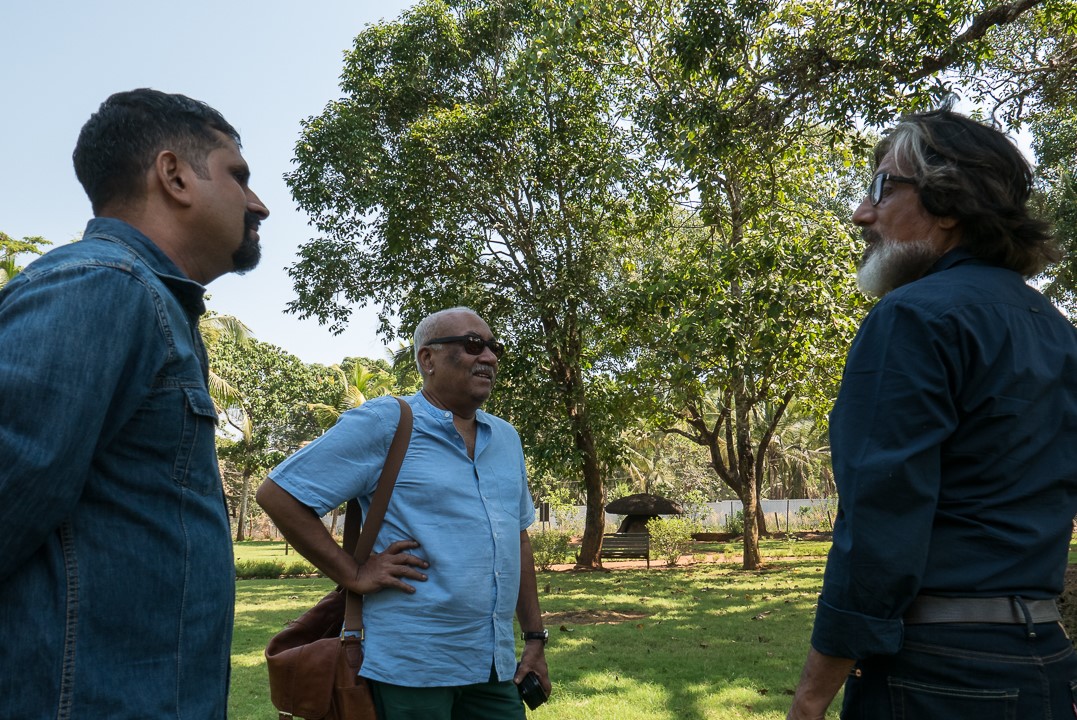
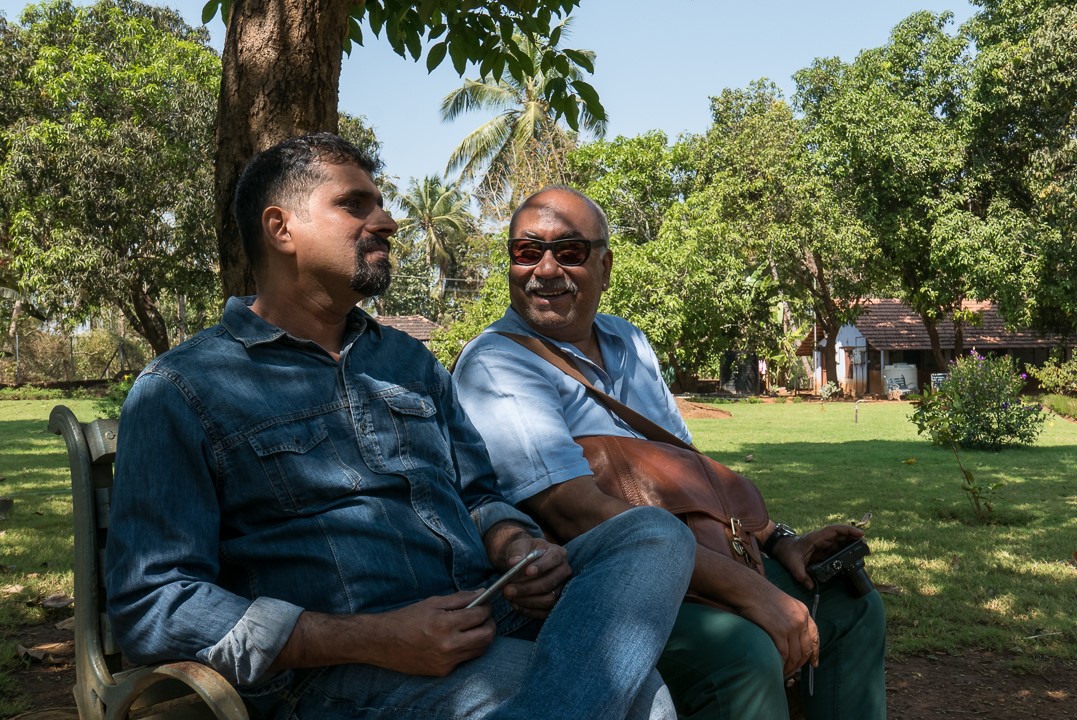
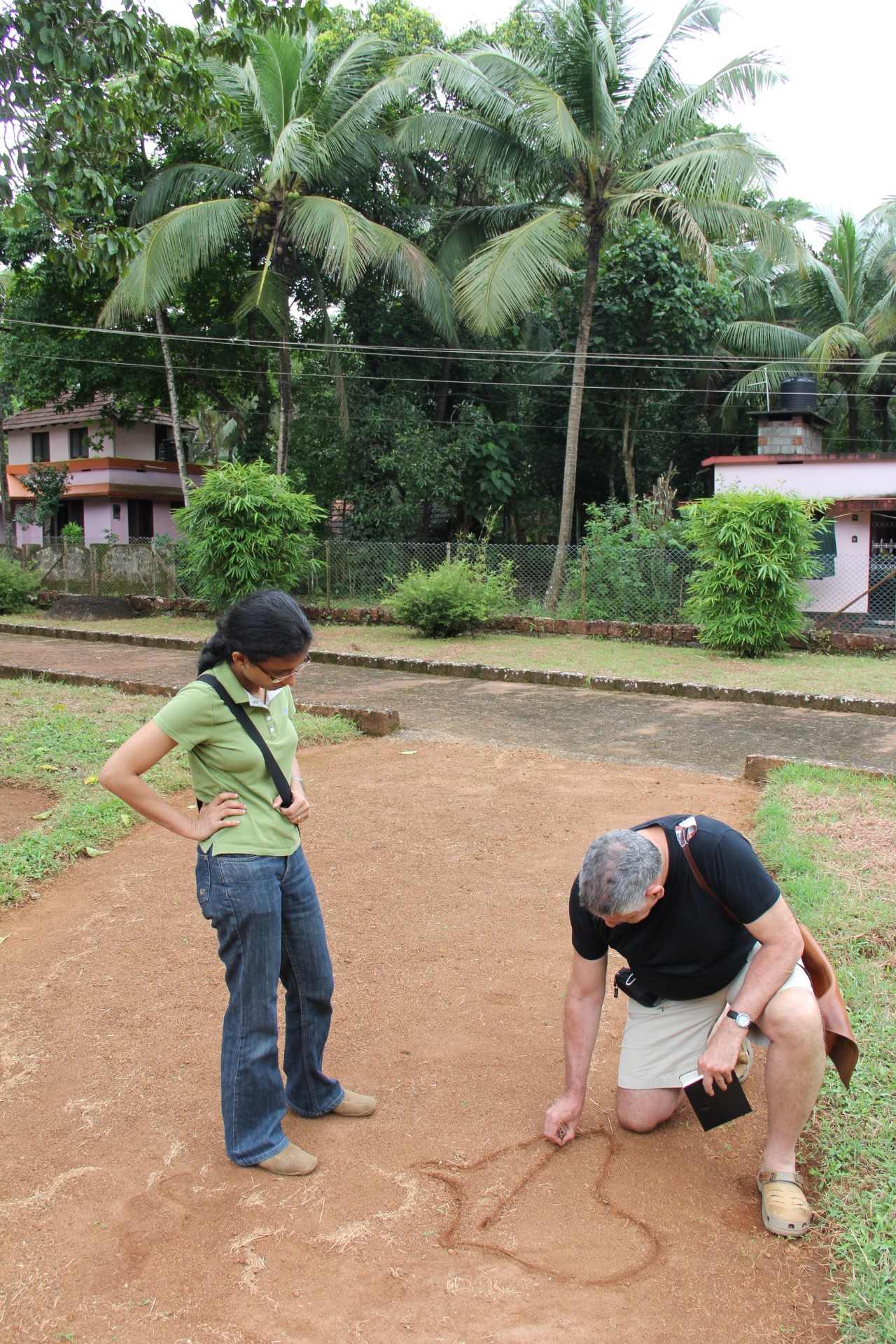
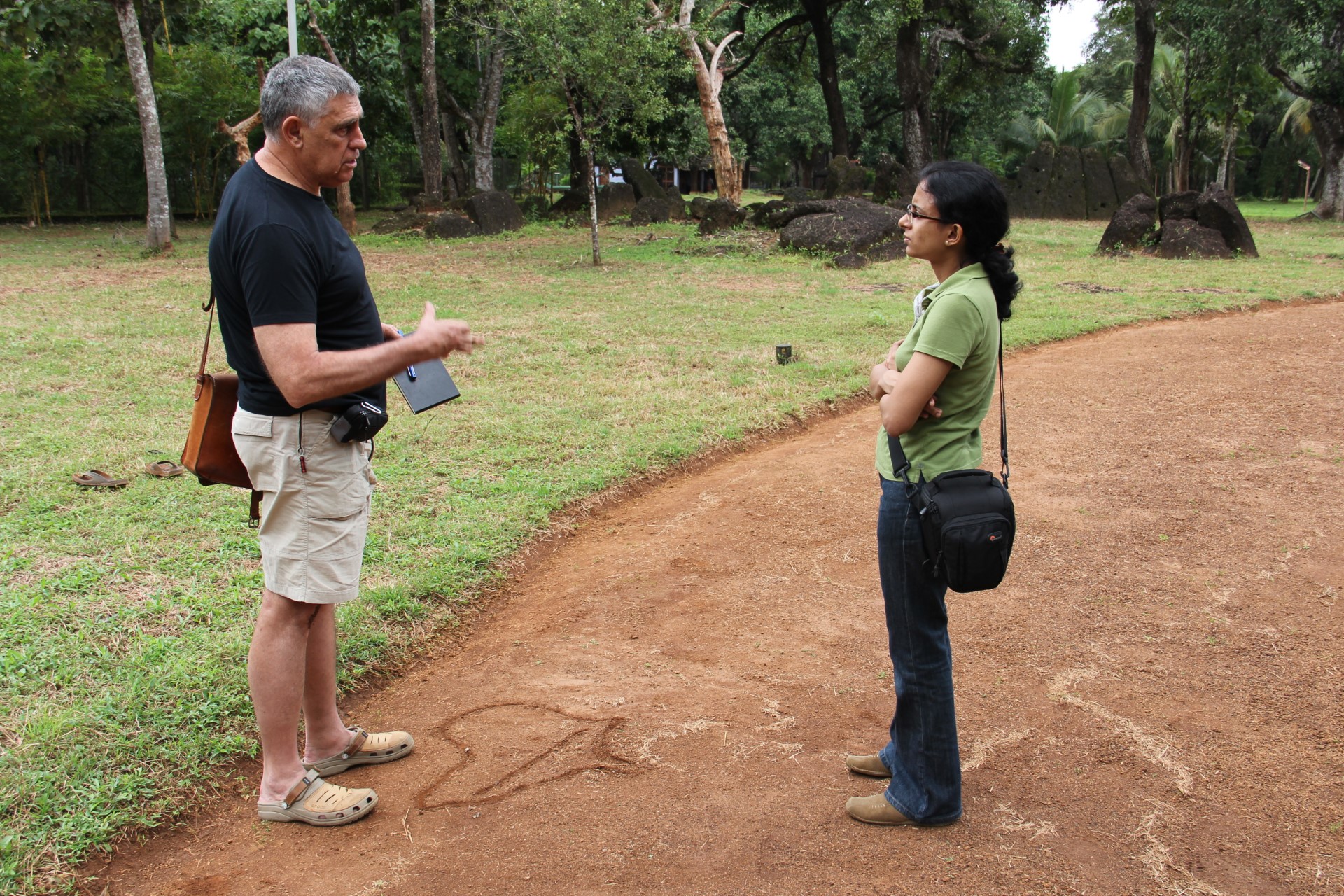
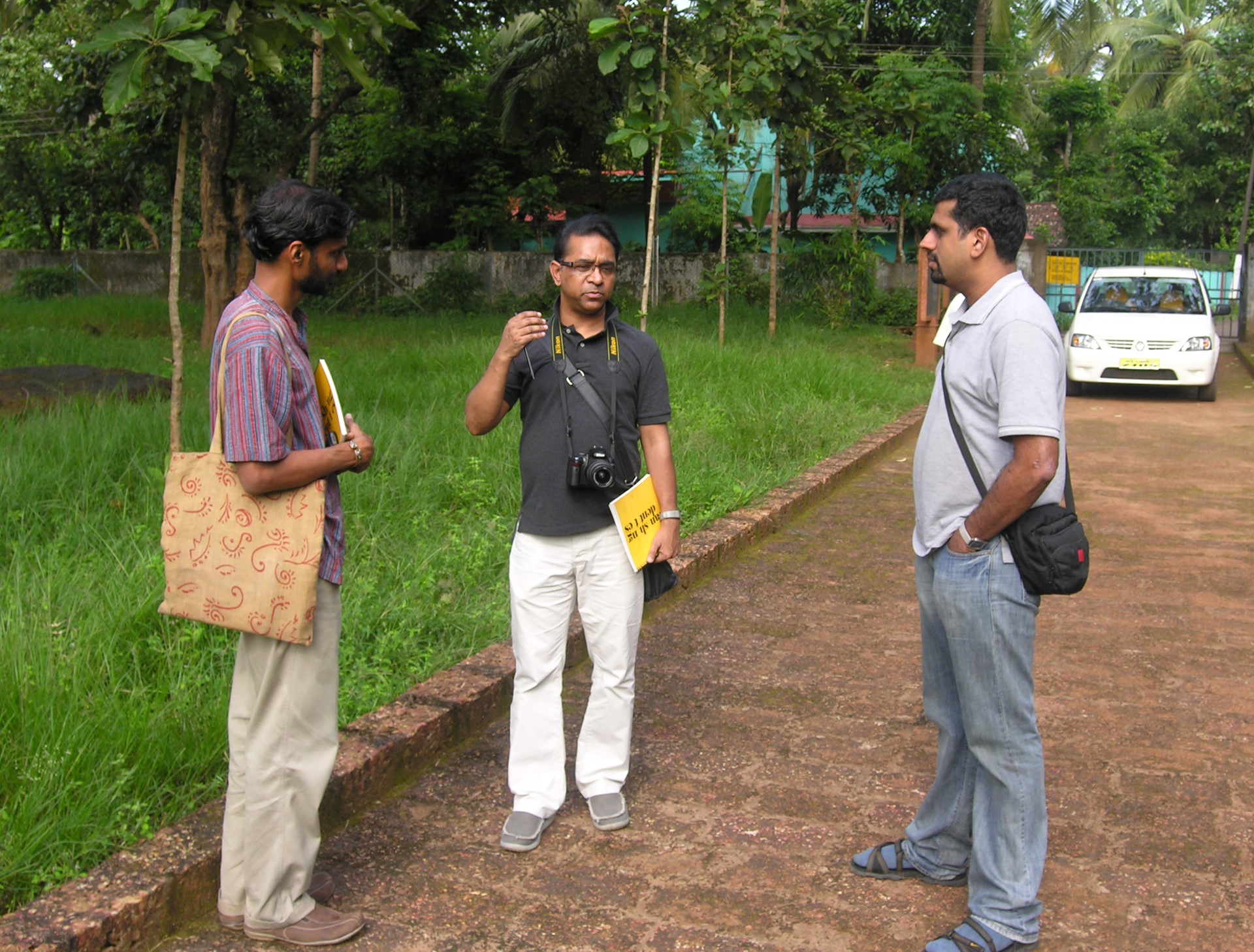
We have brought many people here over the years. In the early part of our practice, when architects of repute from across India and abroad would visit Thrissur to present their work, or simply to visit us, we would take them around the city as any host would. Kudakkallu Parambu was never optional on that itinerary. It was the one place we felt they could not leave without seeing. Whatever conversation we had been having about contemporary architecture, about form and material and meaning, it always found a deeper register here, in this open field among the stones.
What the Stones Are
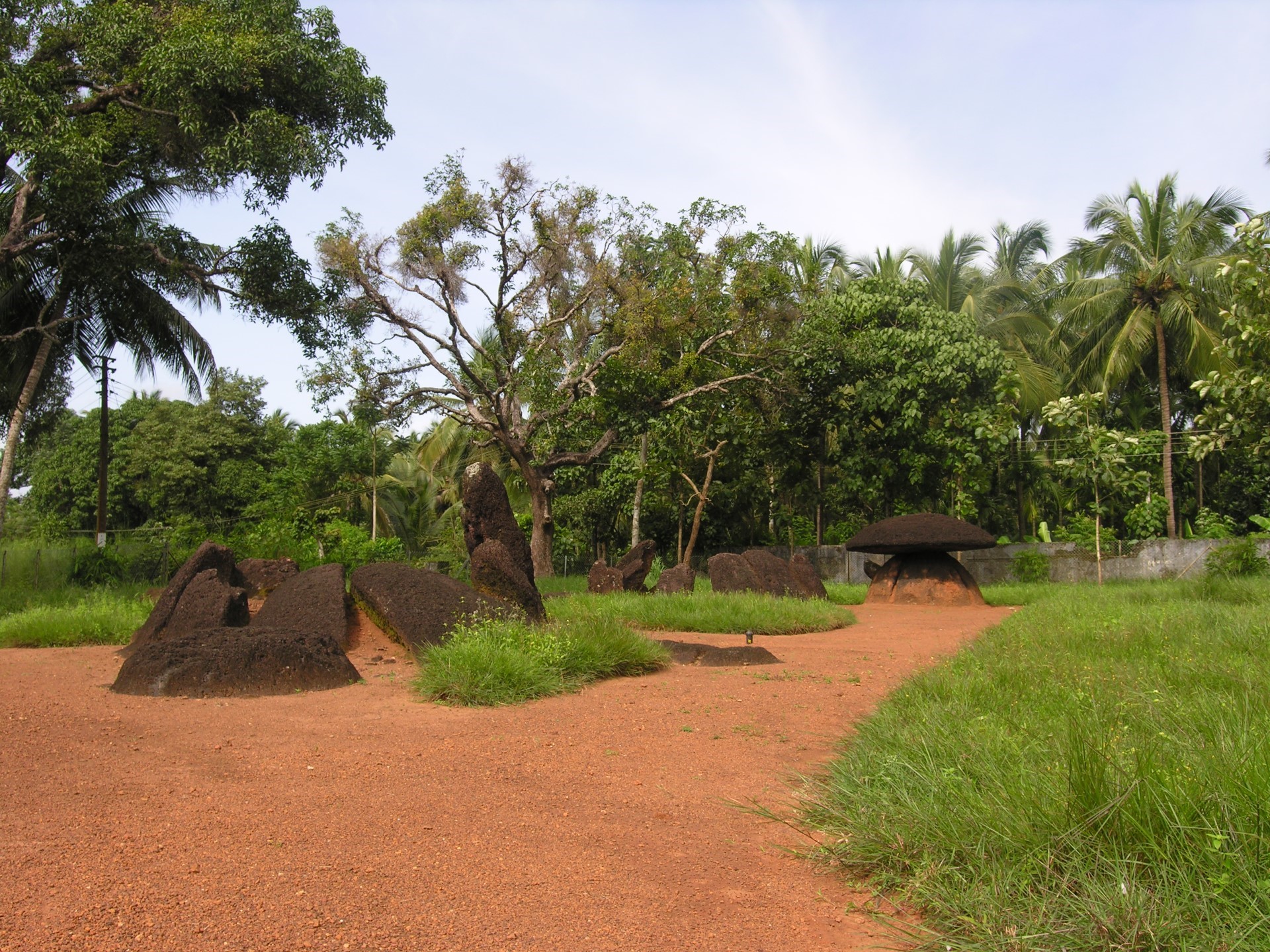
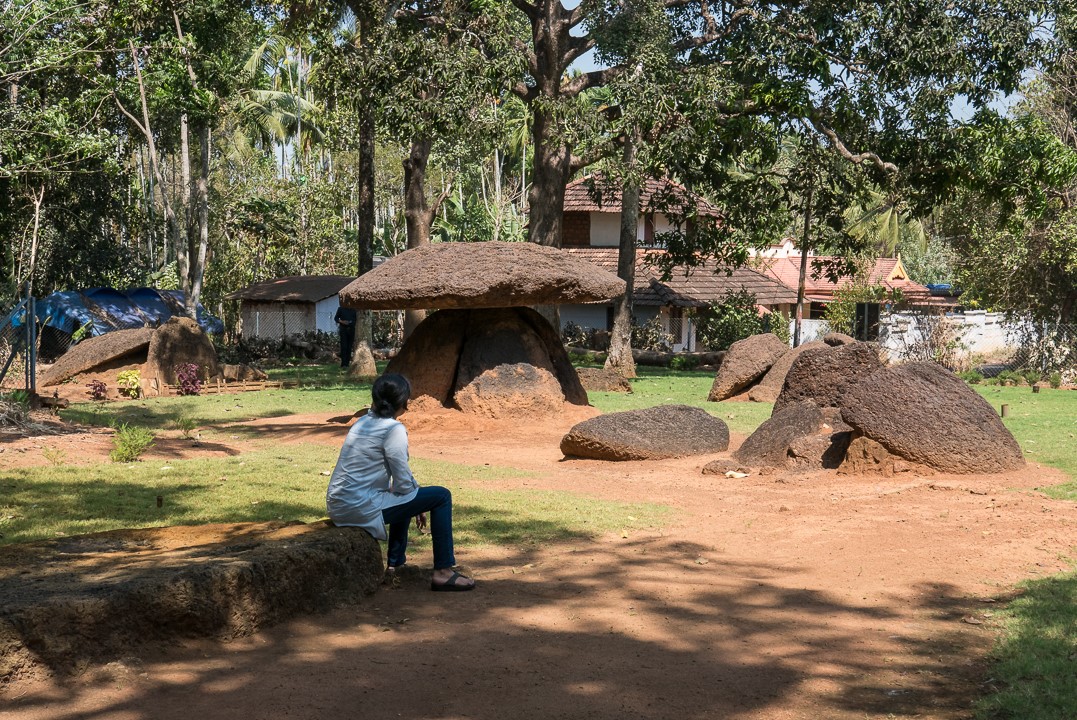
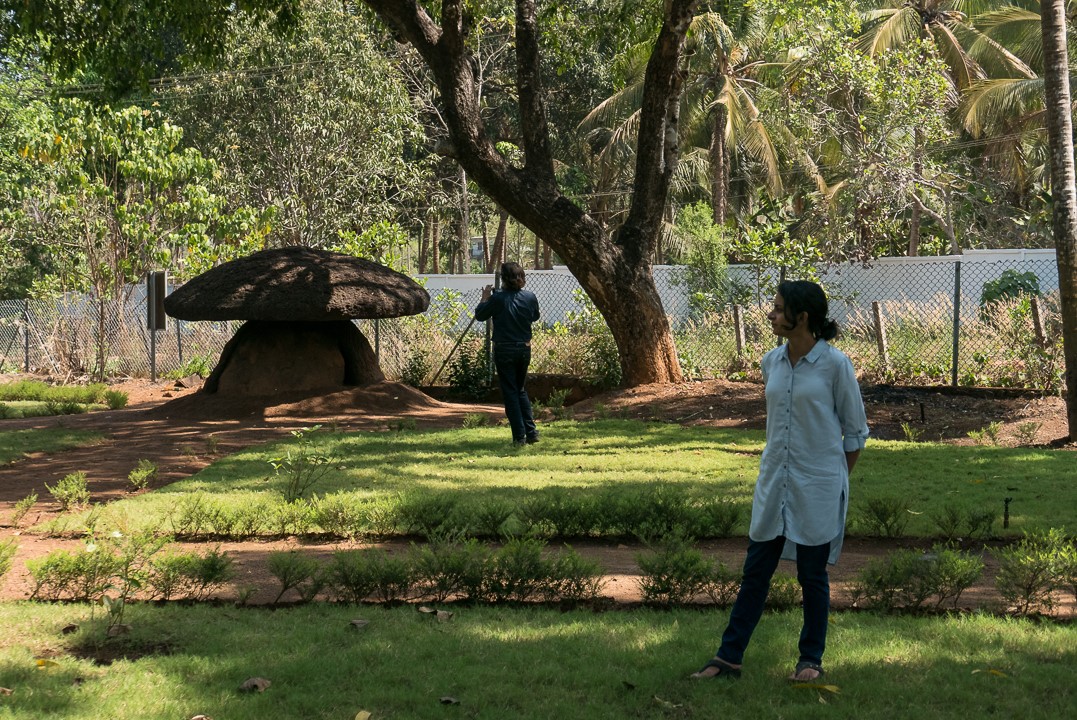
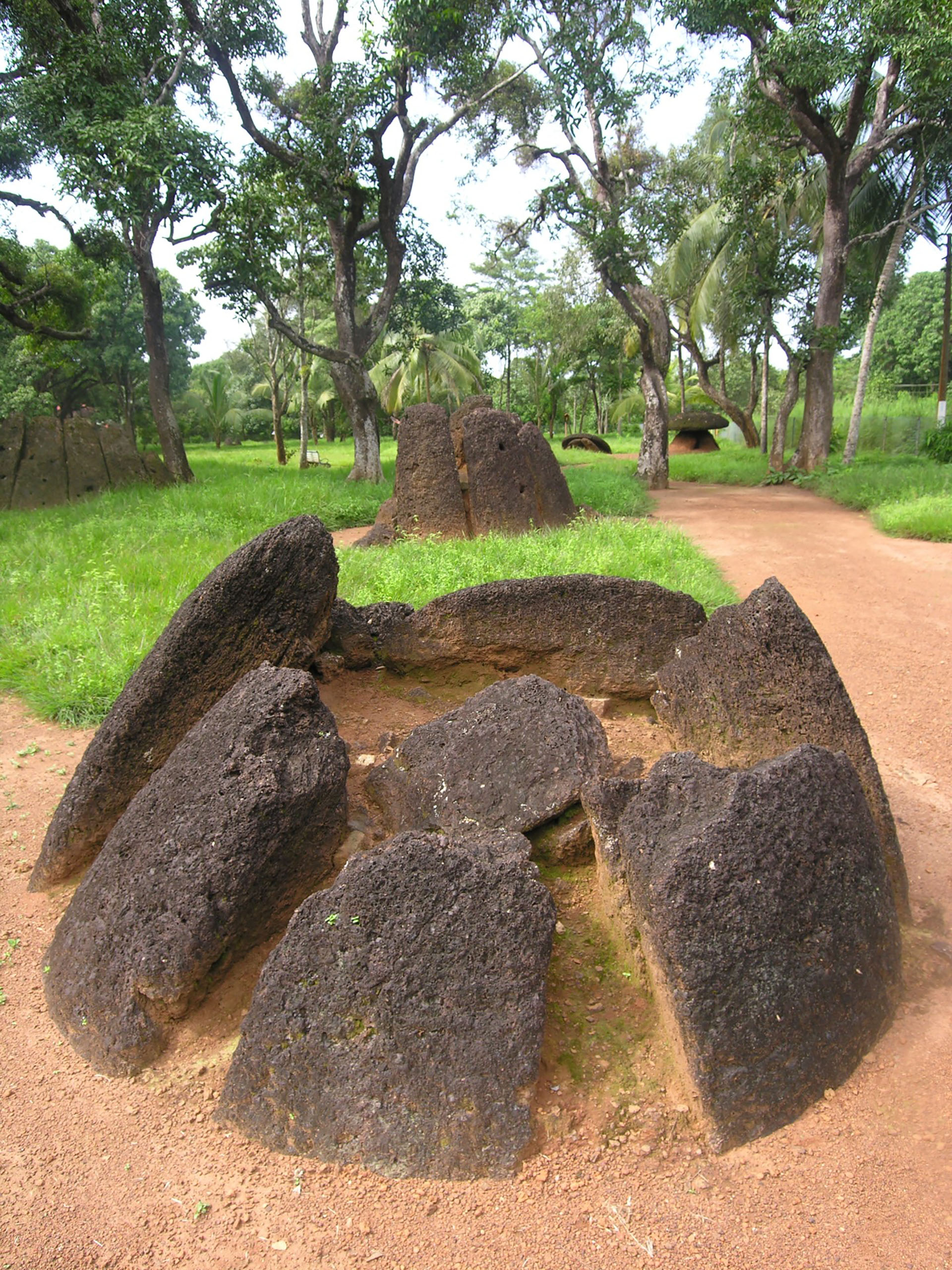
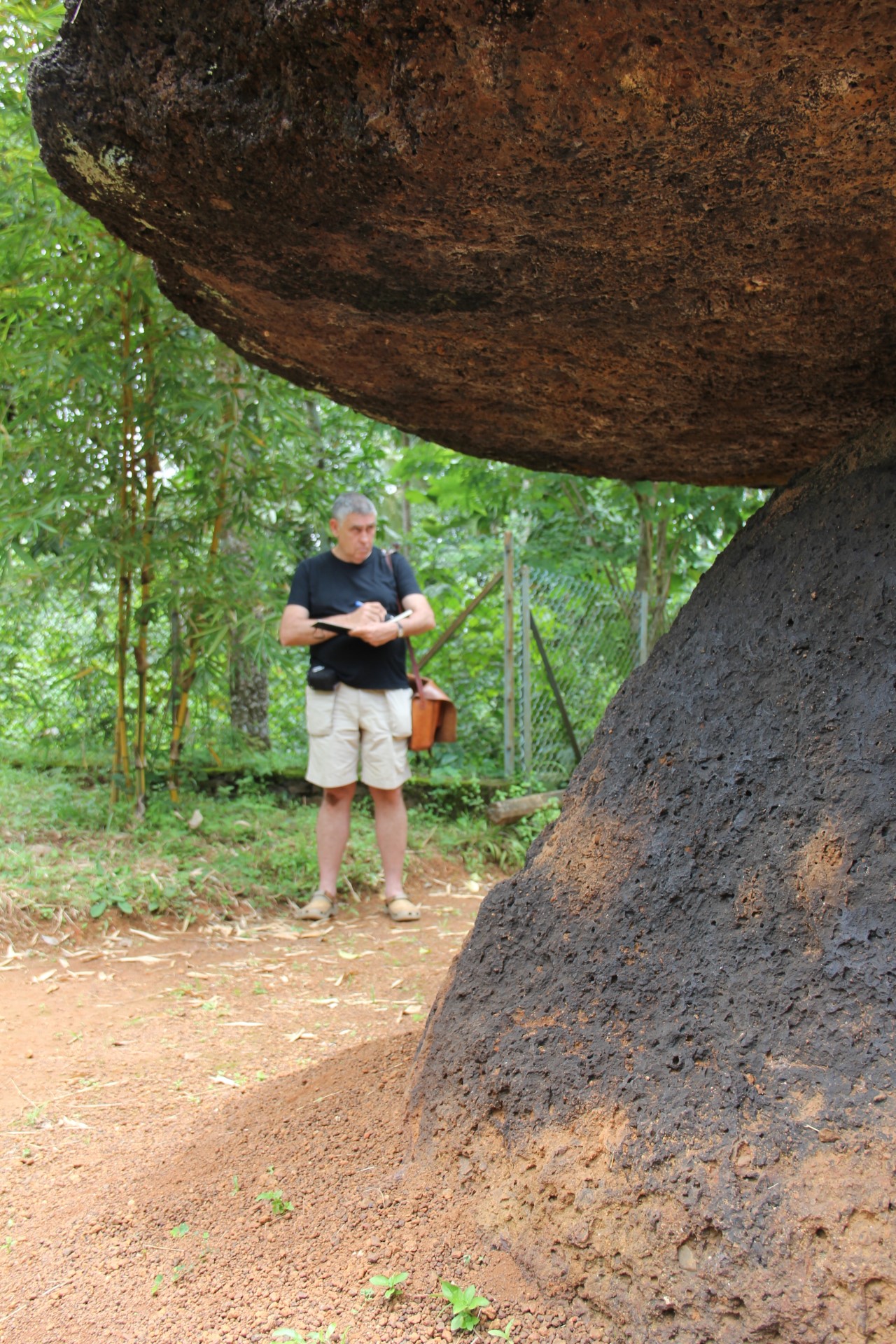
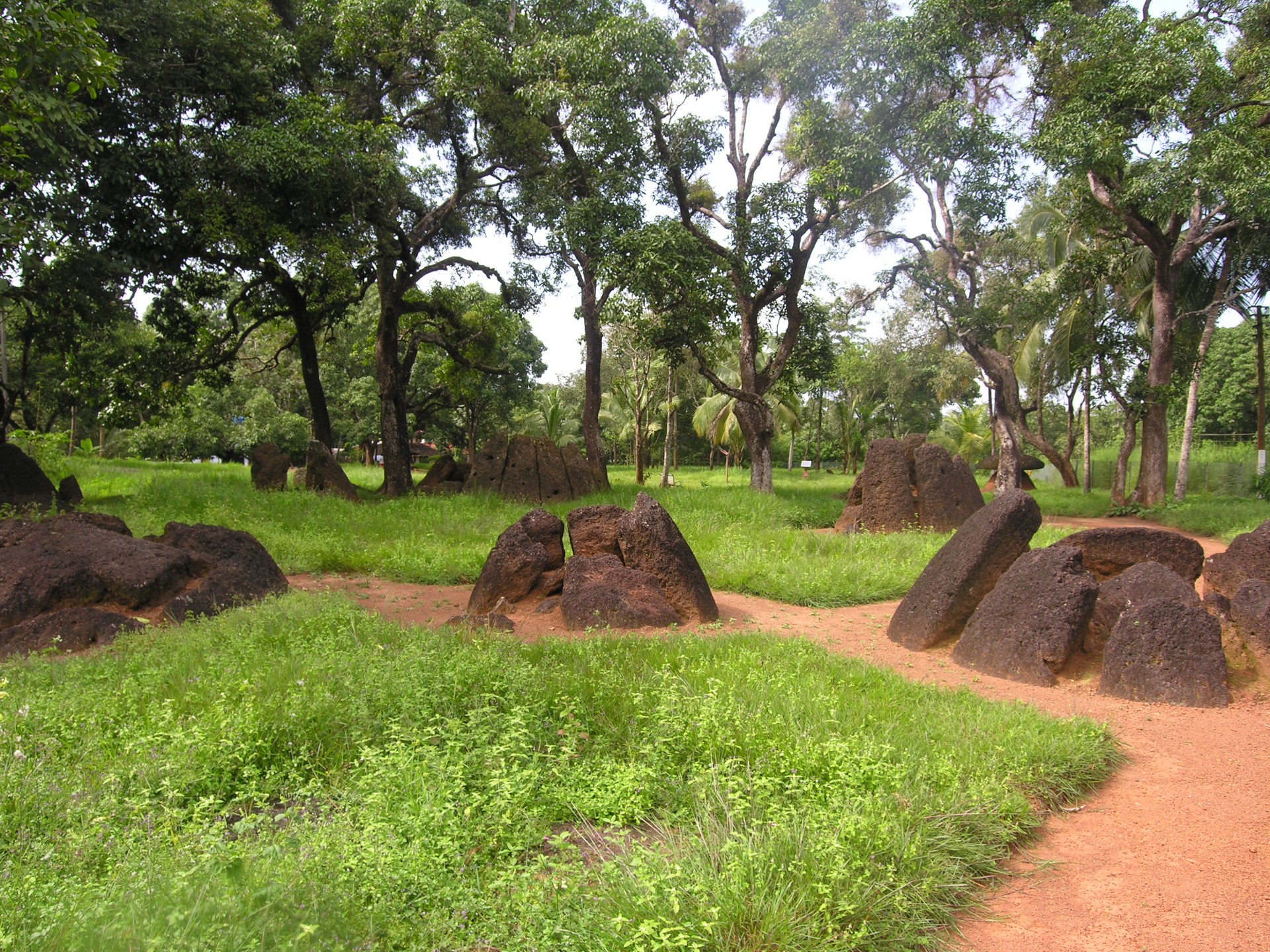
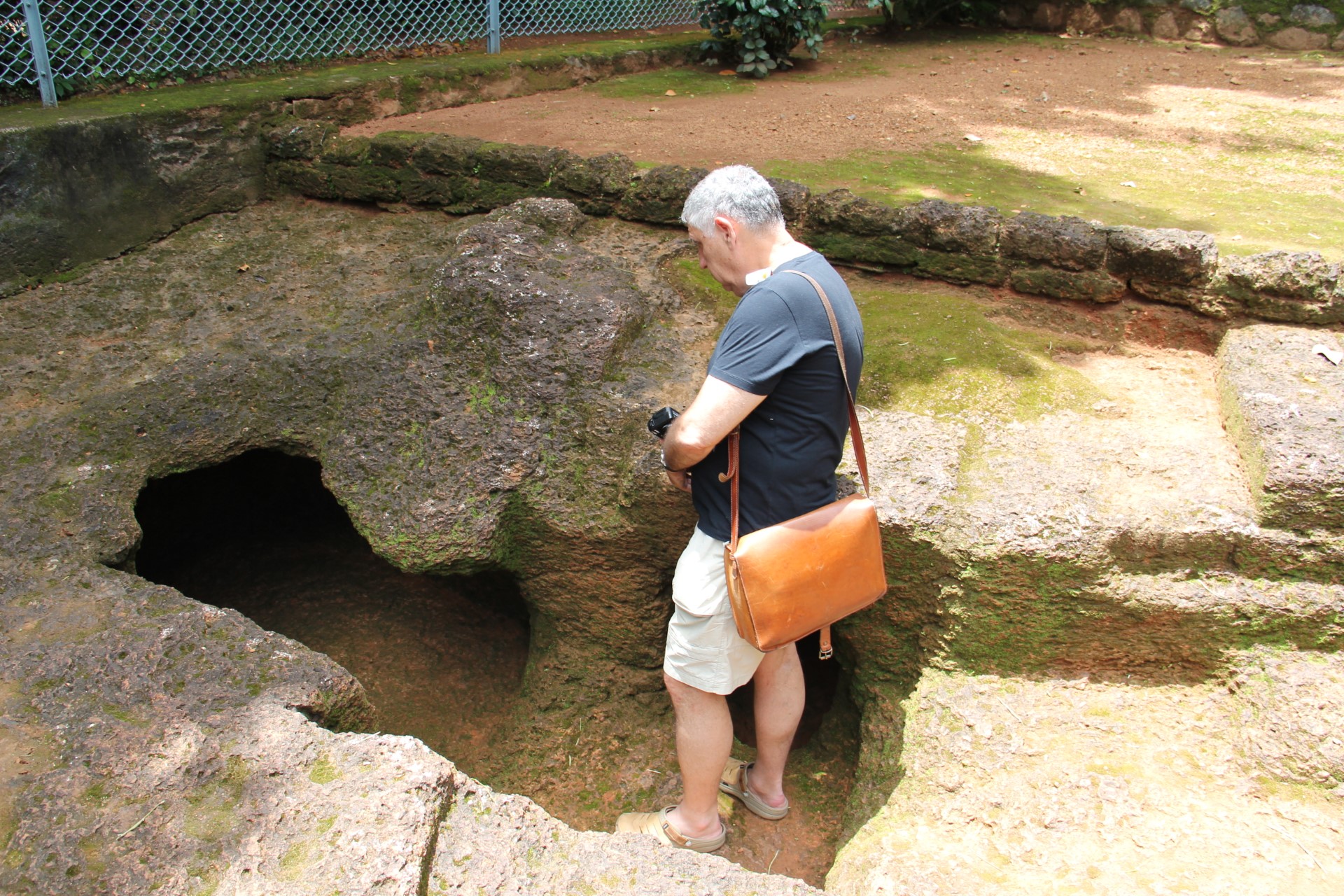
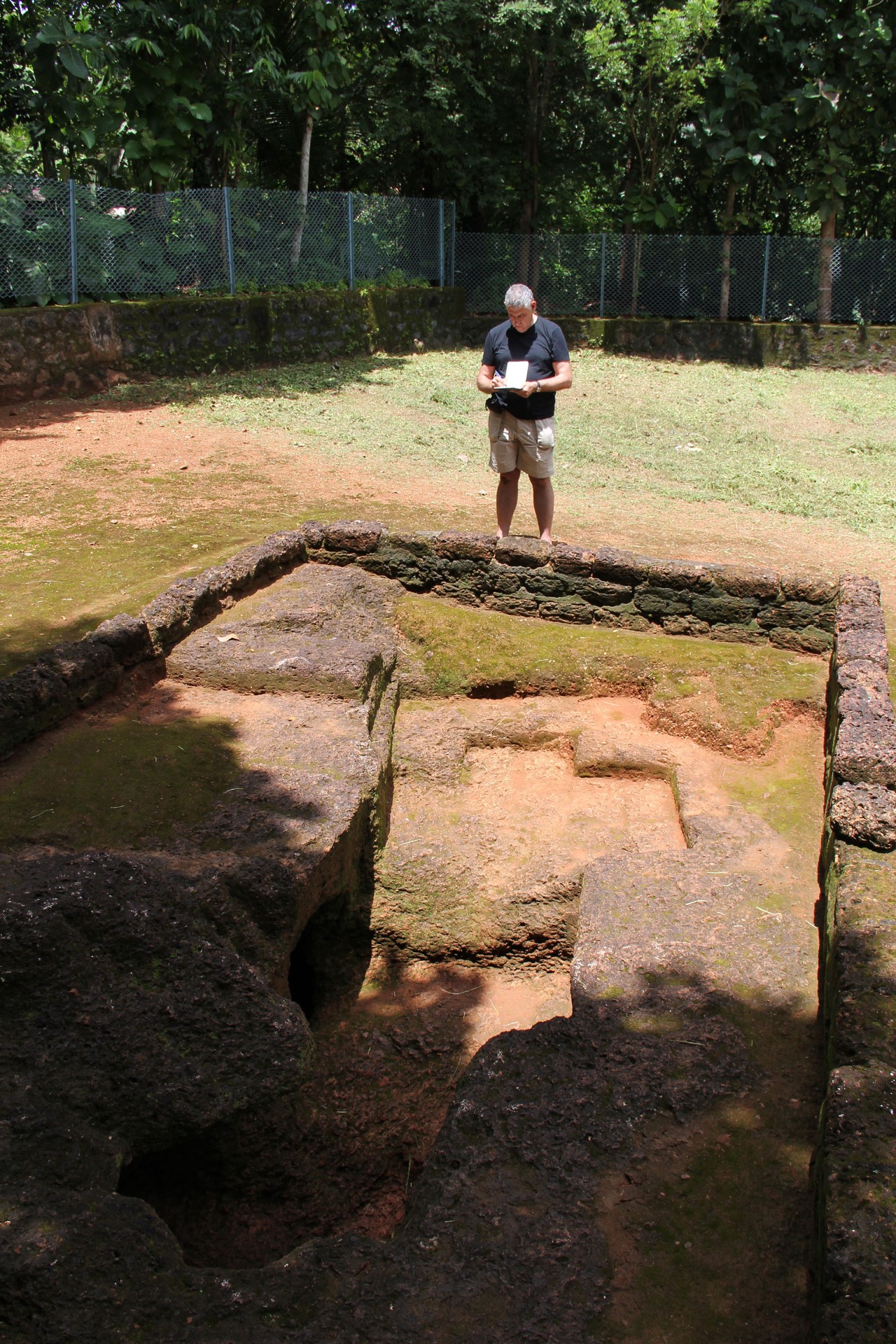
Kudakkallu Parambu is a megalithic burial site featuring different types of monuments, primarily the Thoppikkallu and Kudakkallu, spread across a small area. The name is elemental: kudakkal simply means umbrella stones. These are Iron Age structures where curvilinear laterite blocks were set on the ground with a hollow space between them and an umbrella-shaped capstone placed on top, the whole carefully balanced to form a circular silhouette unlike anything else in the Kerala landscape. Beneath them, buried in the earth, were urns containing ashes and personal belongings, the stones above serving as both marker and shelter for the dead.
Before the Sloped Roof
When someone outside Kerala thinks of its architecture, an image arrives almost instantly. The sloped roof of Mangalore tiles, the wooden columns and carved brackets, the courtyard house cooling itself against the monsoon. It is a beautiful image. It is also a heavily romanticised one, reproduced and revived and retrofitted until it has become less a tradition than a costume. There is nothing wrong with that inheritance; it carries real intelligence about climate, craft and community. But it has also narrowed our imagination of what Kerala’s built past actually encompasses.
And here is something worth pausing on. The very symbol of this so-called traditional Kerala architecture, the Mangalore tiled roof, is barely 160 years old. Mangalore tiles were introduced to India around 1860 by Georg Plebst, a German missionary who was part of the Swiss-German Basel Mission. Plebst combined his knowledge of tile manufacturing in Germany with observations of traditional potters’ work in India, redesigning the semi-circular terracotta country tile into the interlocking ridge form we now know as the Mangalore tile. What we have come to regard as the timeless face of Kerala’s architecture was, in fact, a colonial-era industrial innovation, manufactured at scale for the first time in 1865. It is not ancient. It is not even particularly old. It simply became ubiquitous, and ubiquity, over time, is easily mistaken for the timeless.
Kudakkallu Parambu reminds us that there was a before, one far older and far less photographed than the traditions we have chosen to remember. Long before the tilework and the timber, before the nalukettu and its proportioned courtyard, people in this very landscape were placing enormous stones in precise relationships with one another, engineering gravity, working laterite, encoding belief into form. These are the primordial architectures of Kerala. They carry no nostalgia because they predate the very idea of it. They do not seek lineage. They simply stand.
Other Forms Existed
We live in a moment saturated with architectural nostalgia. Social media has made the past both more accessible and more superficial. Images circulate faster than understanding, and the result is a kind of permanent sentimentality about inherited forms. The sloped roof becomes a logo. The heritage structure becomes a backdrop. In this climate, the pressure on architects practicing in Kerala, or anywhere with a richly visible past, is to respond to that image, to honour it, to update it gently so that it still looks like itself.
Kudakkallu Parambu does something different to you. It stands outside that conversation entirely. It offers no picturesque shelter, no domestic warmth, no familiar silhouette. What it offers instead is the unsettling and clarifying reminder that the history of building in this place is not a single story. Other ways of building existed here, other forms, other visual ideas about what architecture in this place could be. We know very little of most of them. What survives in our imagination is only what has been repeated often enough to feel familiar. The image that circulates becomes the tradition. Everything outside that image quietly disappears. The Iron Age people who raised these monuments were not decorating a landscape. They were making meaning with the most direct means available: mass, shadow, ground, air, movement.
This is an impulse that quietly runs through our work at LIJO.RENY.architects. Working in Kerala while refusing to be held hostage to a single image of what Kerala architecture should look like, we do not look to quote the past. We try instead to respond honestly to the present, while remaining aware of the longer ground it stands on.
The Aesthetics of the Absolute
What strikes us, returning to Kudakkallu Parambu, is how contemporary the stones feel. There is nothing archaic about their visual logic. Strip away every association, every archaeological caption, and what remains are objects of striking formal confidence.
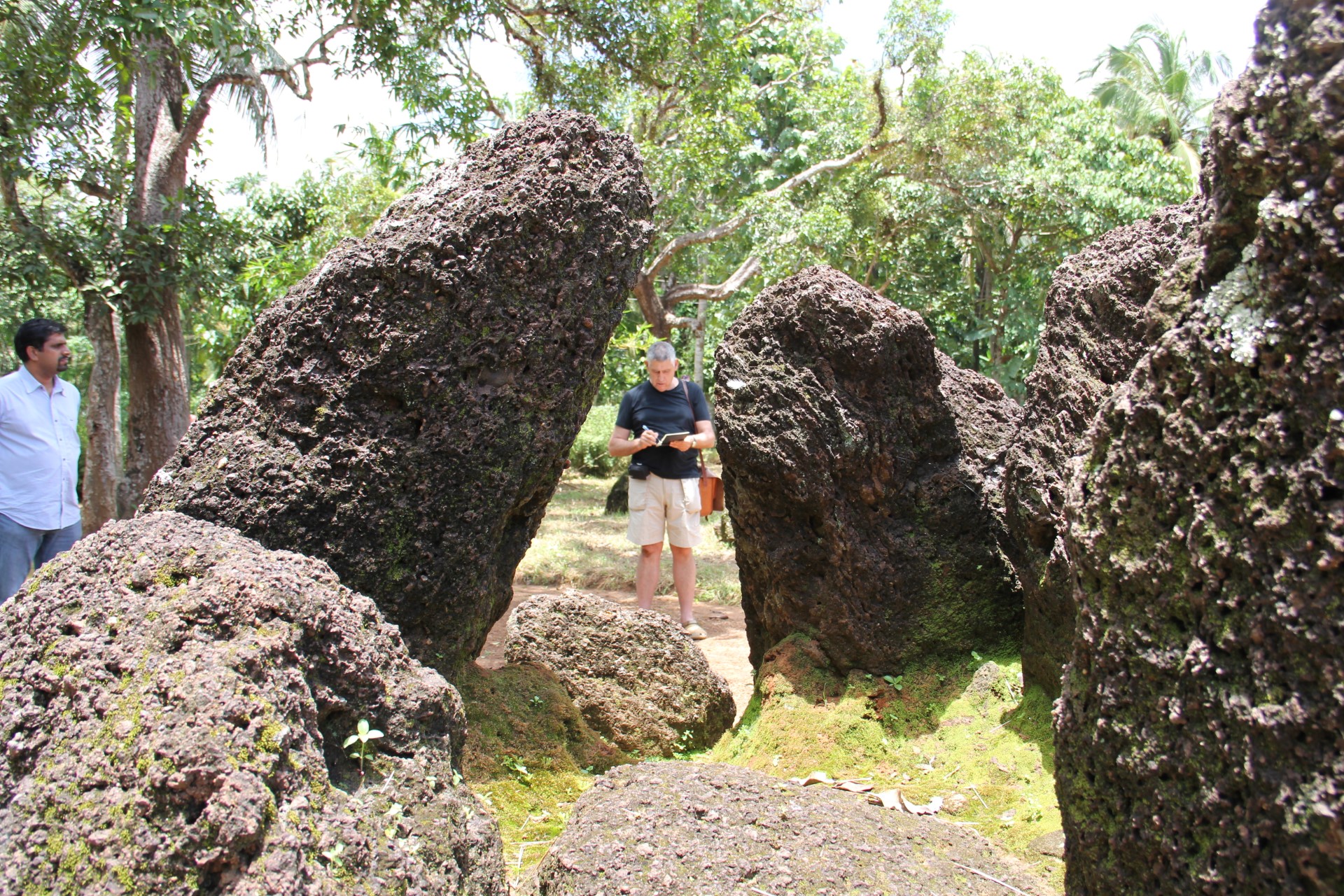
The site does not speak in a single form. Alongside the kudakkals are hood stones, dolmens, urn burials, and rock-cut chambers, each working with the same elemental vocabulary while arriving at different spatial resolutions. Some press into the ground, some open outward, some enclose, others simply mark. What ties them together is not appearance but a shared clarity in how mass, void, and ground are negotiated.
This is also what we recognise as the aspiration of a certain kind of modern architecture, one that trusts geometry, that finds sufficiency in material honestly handled, that relies on structure rather than symbol. Standing among the stones, it becomes clear that this instinct, to arrive at the most essential form for the most essential purpose, is not modern at all. It is something far older, recurring across time.
We would not claim a direct lineage between these stones and our work. Influence rarely works so explicitly. But something of their clarity lingers. It returns as a kind of restraint, a willingness to hold back, to question what is necessary, to trust space and silence. At times, it is simply knowing when to stop. Letting the wall be. Letting the space speak. And in moments of doubt, when a drawing feels complete but not alive, Kudakkallu Parambu sits quietly somewhere in that hesitation.
What Silence Teaches
There is something this place holds that has no architectural name. Not emptiness, but its opposite, a stillness so full it displaces everything else. Standing among the stones, the noise of contemporary life recedes. The density of decisions, the pressure of the immediate, all of it loosens. What replaces it is not quite peace and not quite melancholy, but something closer to attentiveness.
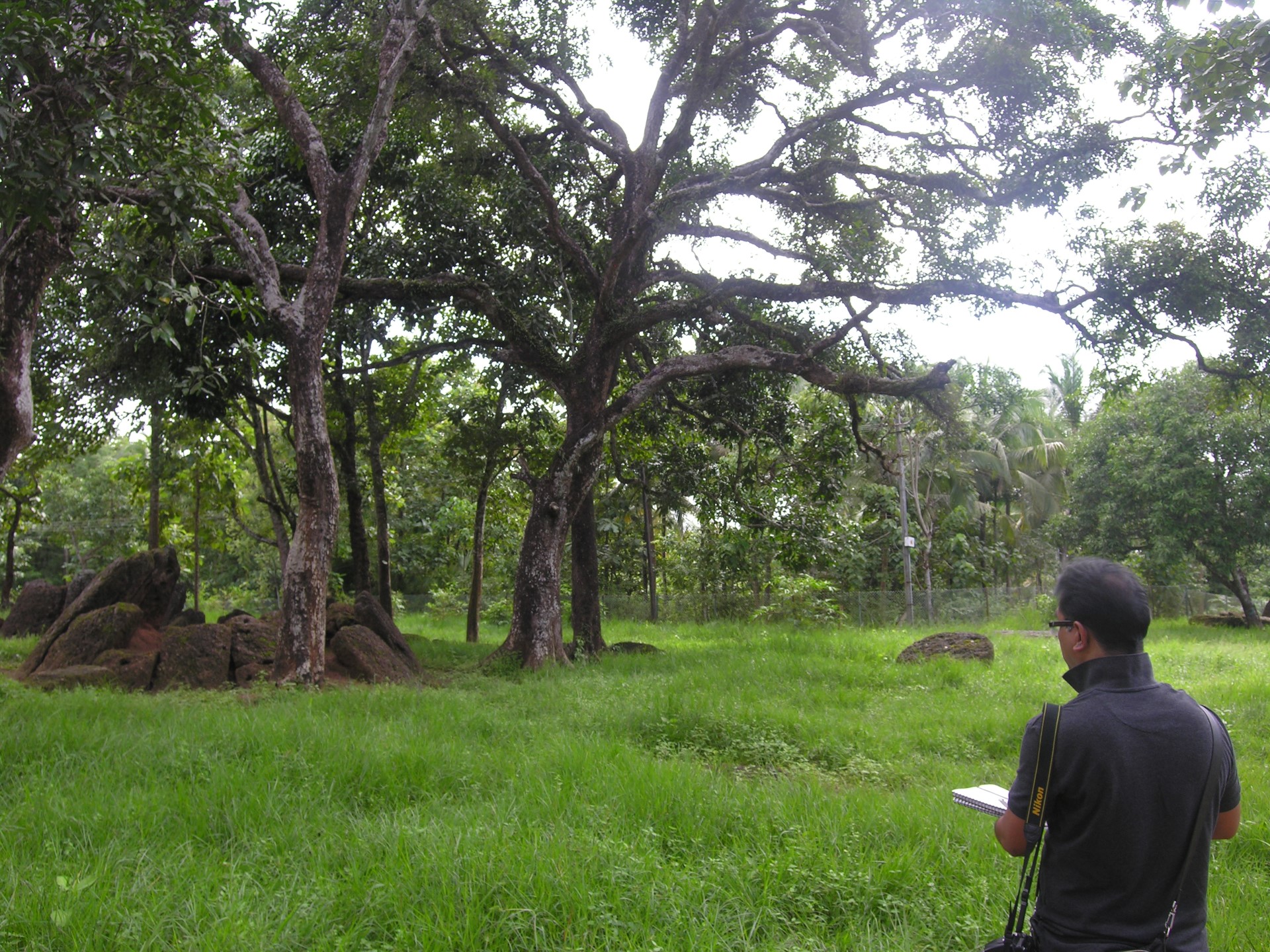
You begin to register how these heavy forms rest without effort. How their placement creates a loose field of movement, guiding without directing. The subtle shifts in level underfoot. Light filtered through trees, falling across uneven surfaces. The shadow each stone holds within itself and casts outward onto the ground. The intervals between them, as deliberate as the stones themselves. And within all of this, your own body becomes part of the measure, moving, pausing, recalibrating against their presence.
For us at LIJO.RENY.architects, places like Kudakkallu Parambu are not inspiration in the conventional sense. They are something quieter. A place to return to when work becomes too fast, when the pressures of practice begin to crowd out the questions that matter: why we build, what we owe to a place, what it means to work within a landscape shaped over thousands of years. The site gives nothing easily, but it gives deeply.
Some places remain as memory. Others become something you carry into the work, returning to them not out of habit but out of need. Kudakkallu Parambu, for us, is the latter. Each visit finds something different in the same stones. And perhaps that is the truest measure of a work that endures: not that it settles anything, but that it never stops asking.
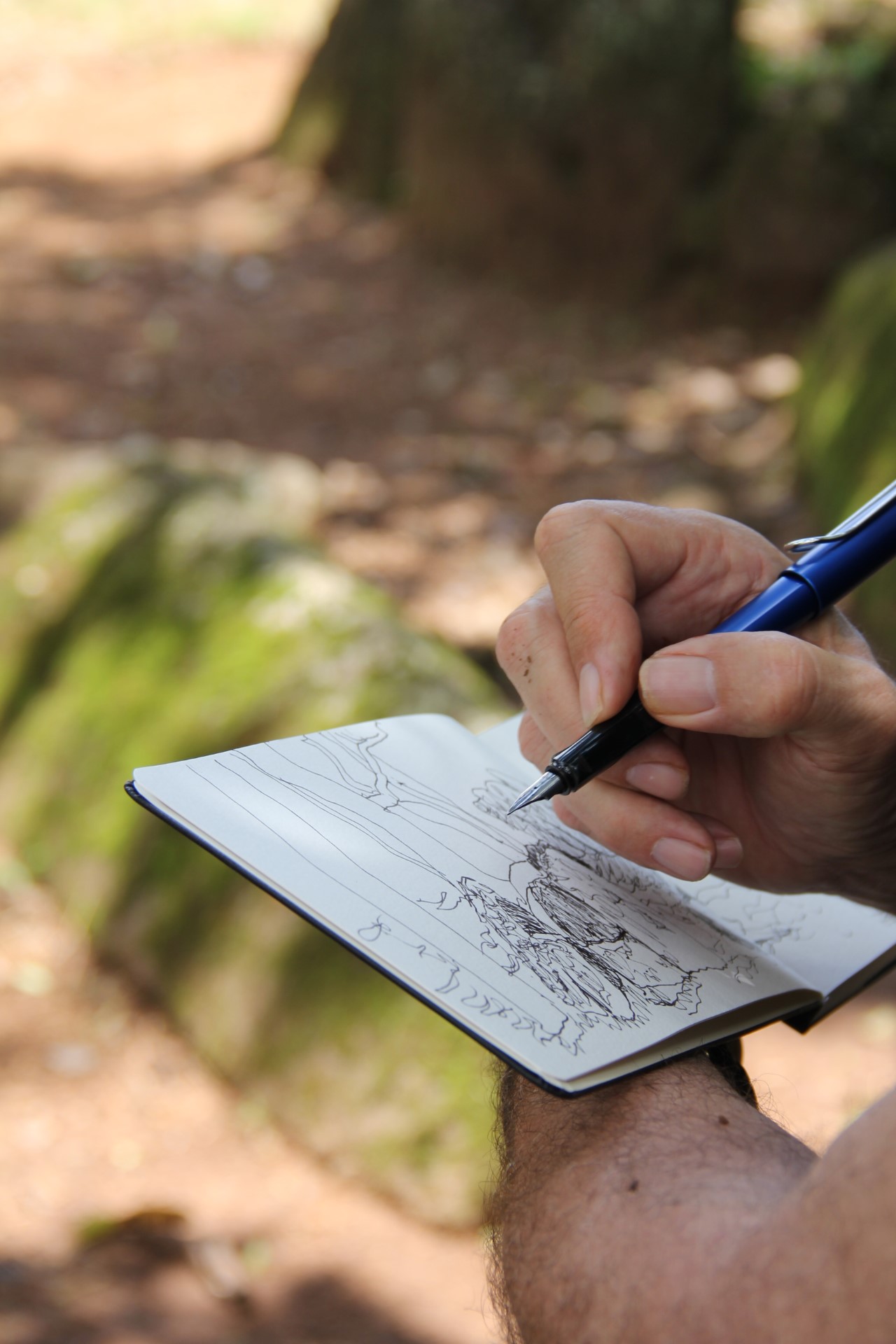
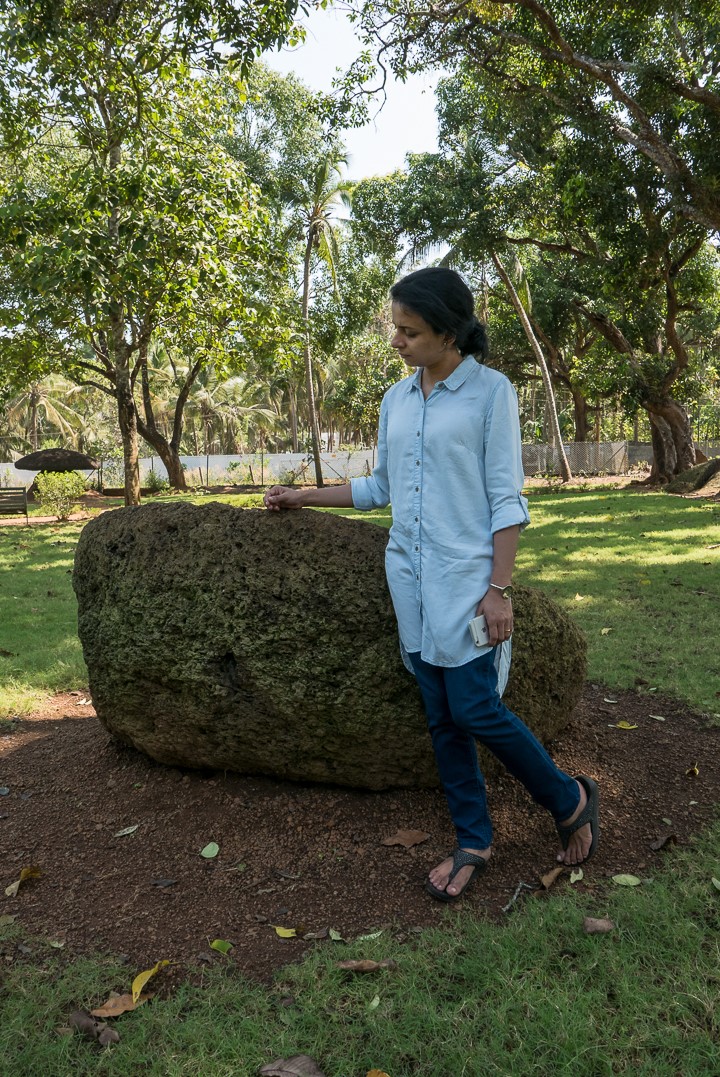
(Featured in these images: Ar. Sanjay Mohe, Mindspace Architects, Bangalore; Ar. Peter Rich, South Africa; Ar. Bharath Ramamrutham, Goa; Ar. Rafiq Azam, Bangladesh, among others. The last few images are from the Burial Cave at Eyyal.)
Photographs :
Reny Lijo and Lijo Jos