

Le Corbusier’s Dream at Ronchamp : A Glimpse into His Soul
31st May and 1st June 2014 | Notre-Dame-du-Haut de Ronchamp, France
The pilgrimage to Ronchamp was one that had long occupied our imaginations. As architects and lovers of modern architecture, we had spent years admiring Le Corbusier’s work, studying his philosophies, his drawings, and the many ways in which he had redefined the built environment. Yet, nothing could have prepared us for the profound impact that visiting the Chapel of Notre-Dame du Haut would have on us.
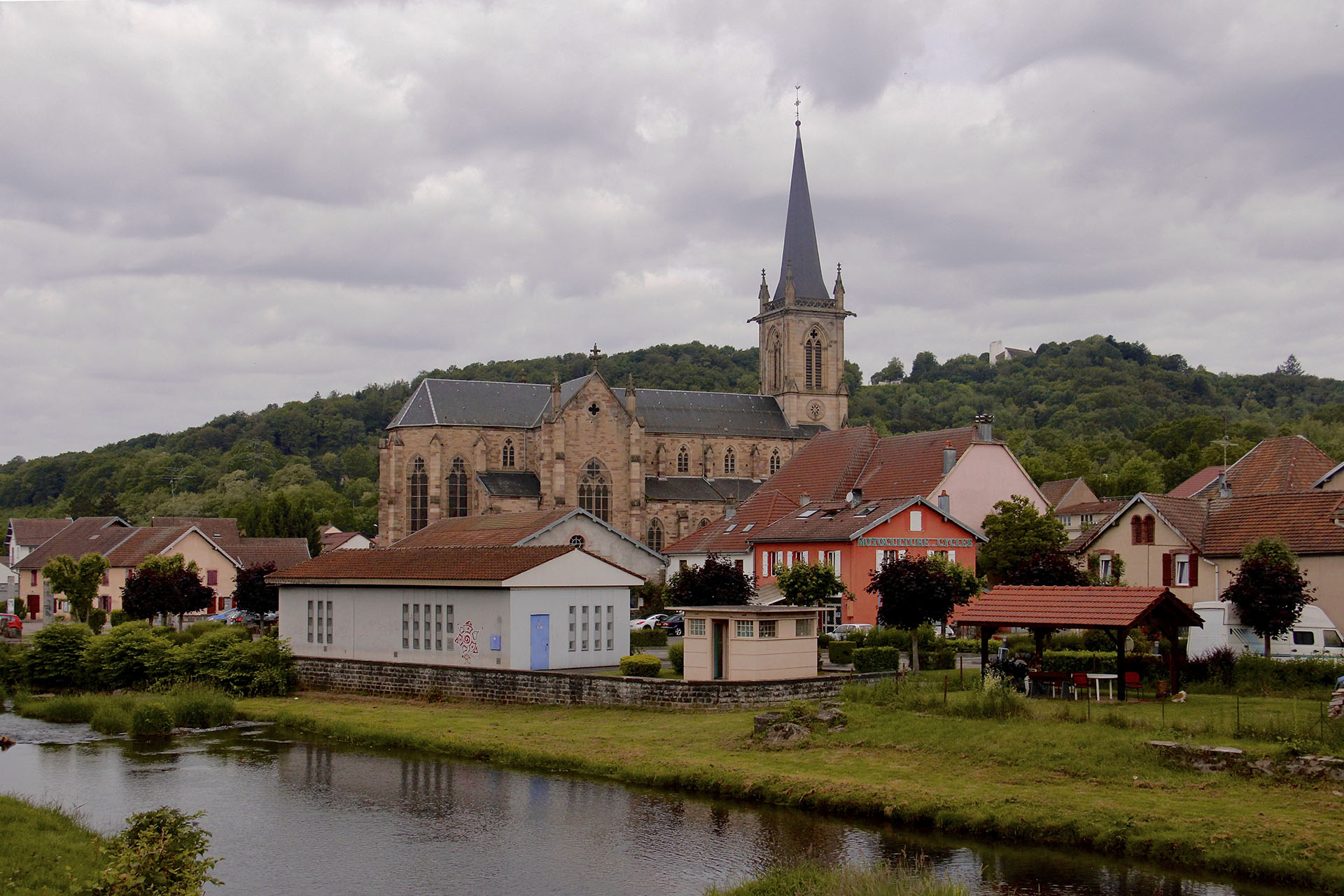
The journey to Ronchamp, nestled in the verdant hills of the Vosges, was one filled with a mixture of anticipation and reverence. The chapel had been described to us as a place where architecture transcended its physical form, becoming a spiritual experience, a concept that intrigued and captivated us. To fully immerse ourselves in the experience, we scheduled our visit for the evening of May 31st, timed perfectly for a night tour of Ronchamp. Although the tour was labeled ‘night,’ the late-setting sun in this part of Europe bathed the landscape in a soft twilight, leaving the chapel illuminated but not yet enveloped in darkness. The following morning, on June 1st, 2014, we returned at dawn, eager to witness the chapel in the fresh light of day.
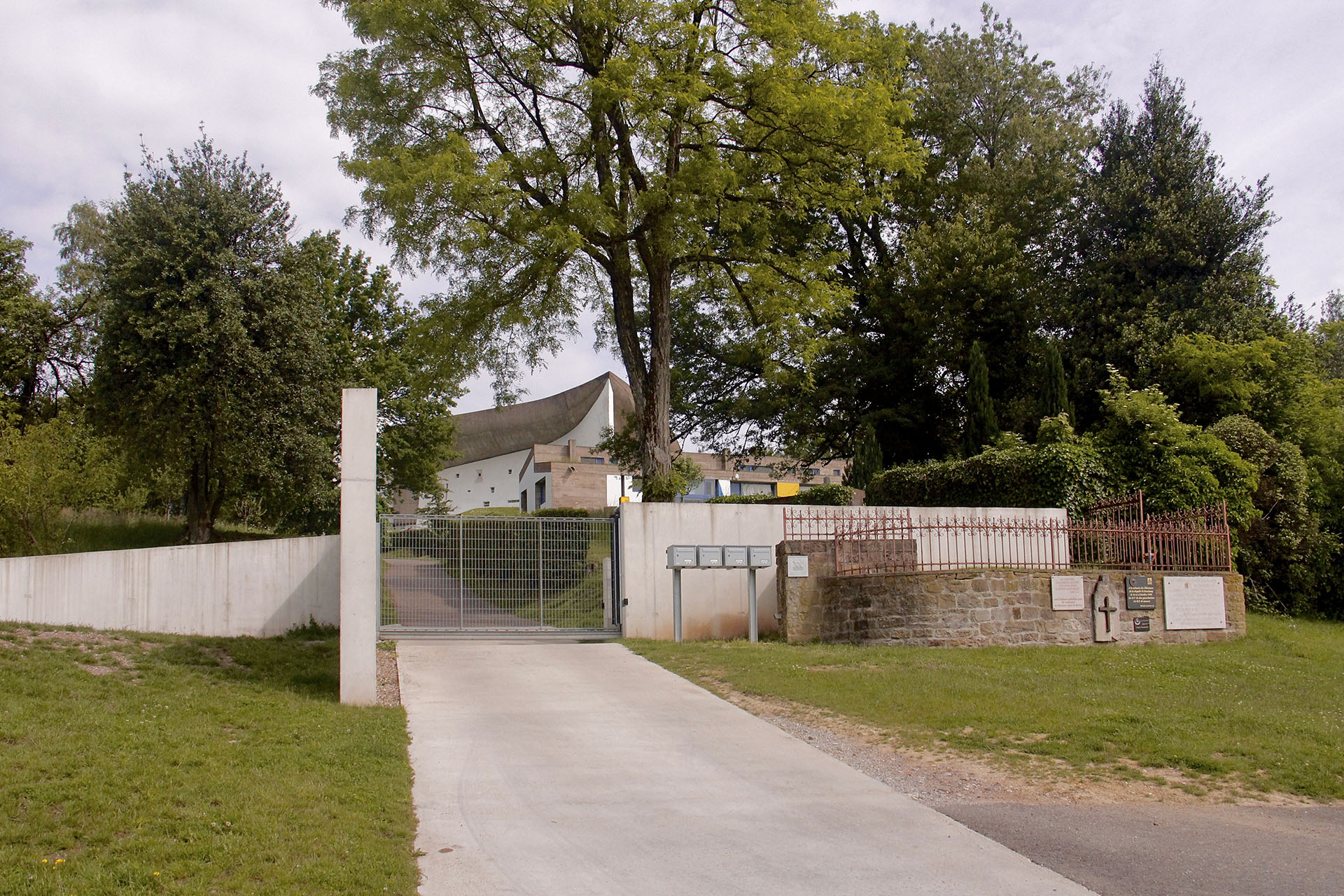
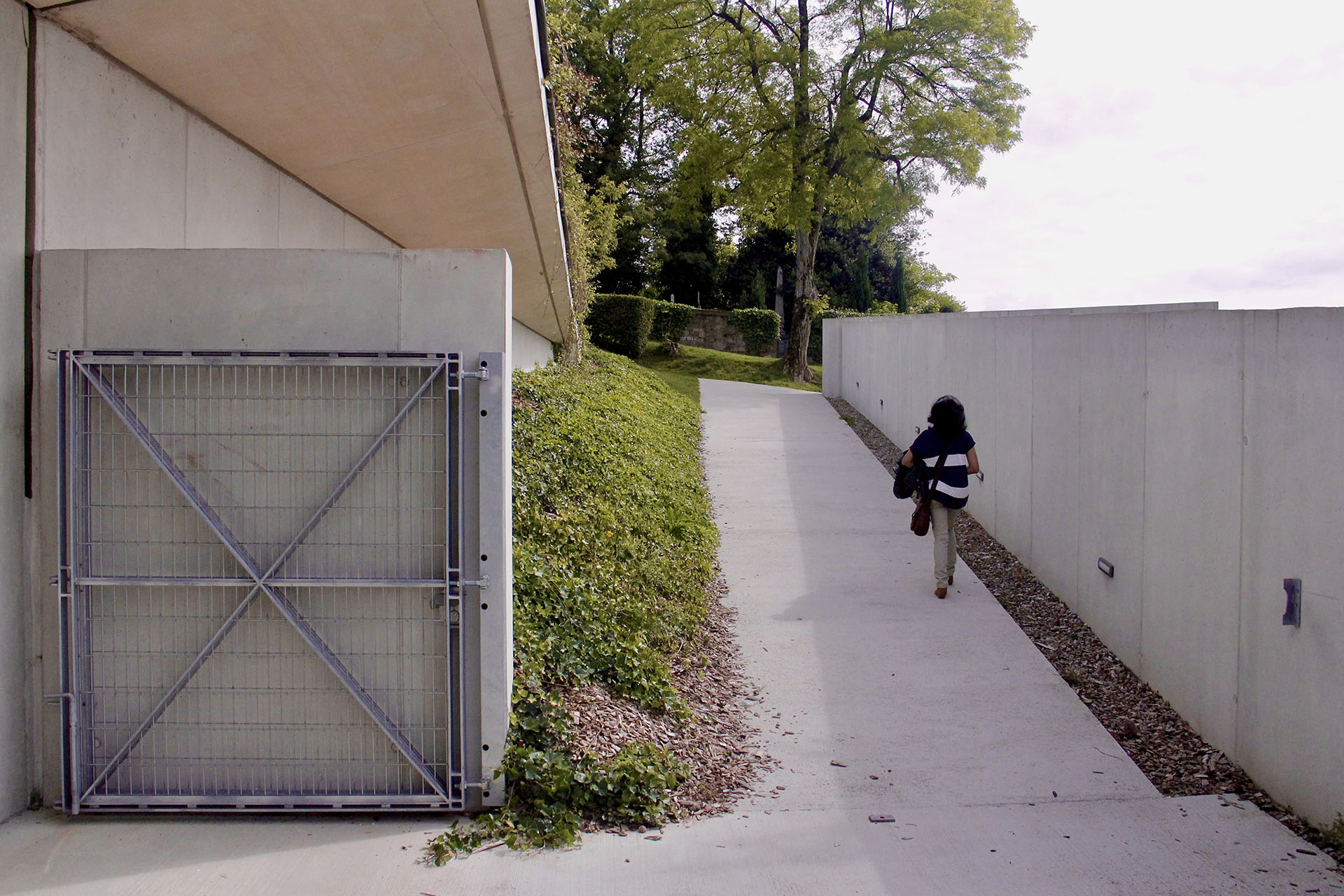
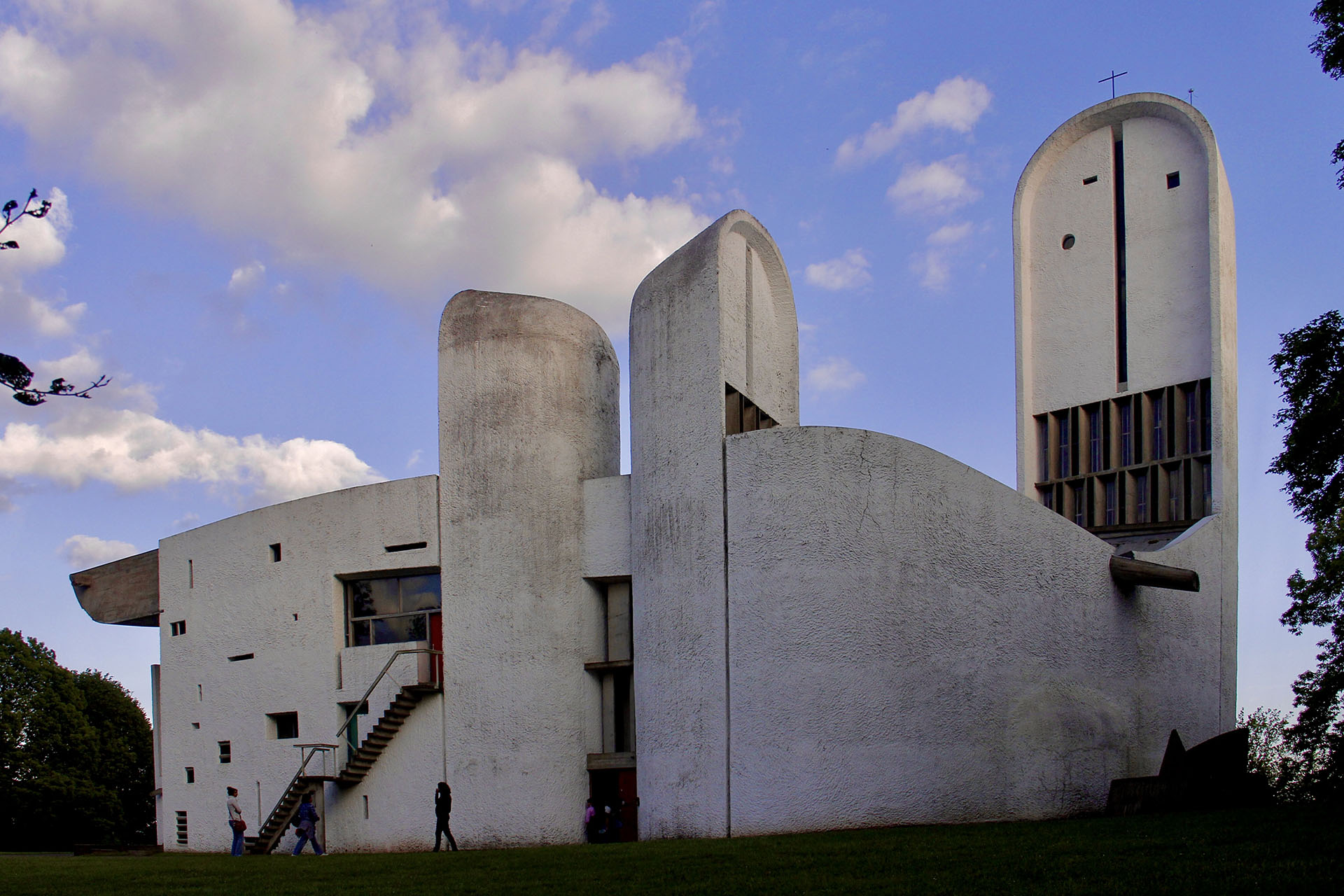
On our first evening, we were driven to the summit, and from there, we walked toward the chapel. At first, the structure didn’t fully reveal itself; instead, it emerged gradually as we walked through the meandering pathway. The sun was golden, brushing its soft light onto the building, making the approach feel almost like a ritual. The drive through the winding roads of the French countryside had already offered glimpses of the landscape that Le Corbusier had so masterfully considered in his design. The rolling hills, the play of light and shadow, and the ever changing sky all seemed to hint at the powerful interaction between the chapel and its surroundings.
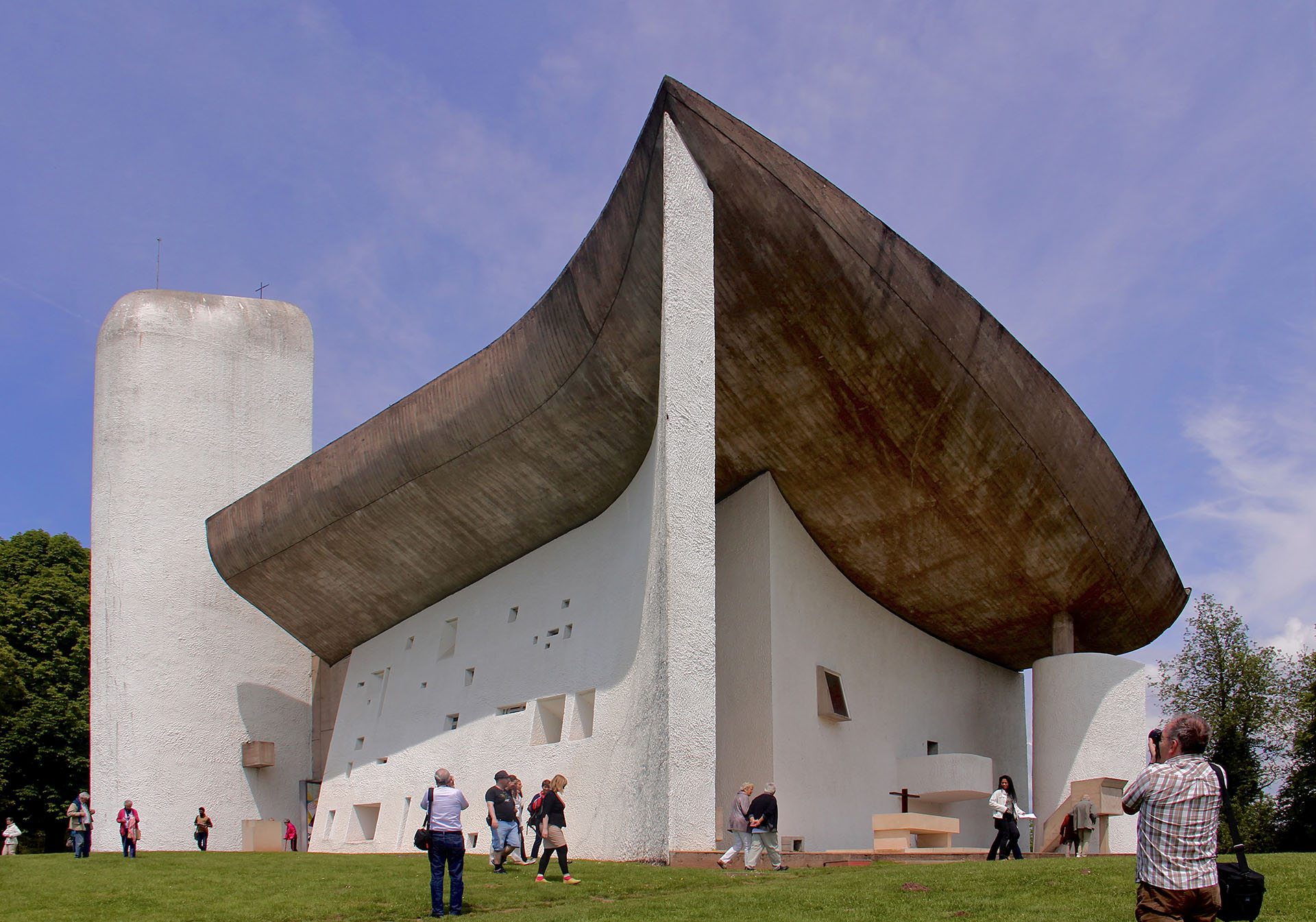
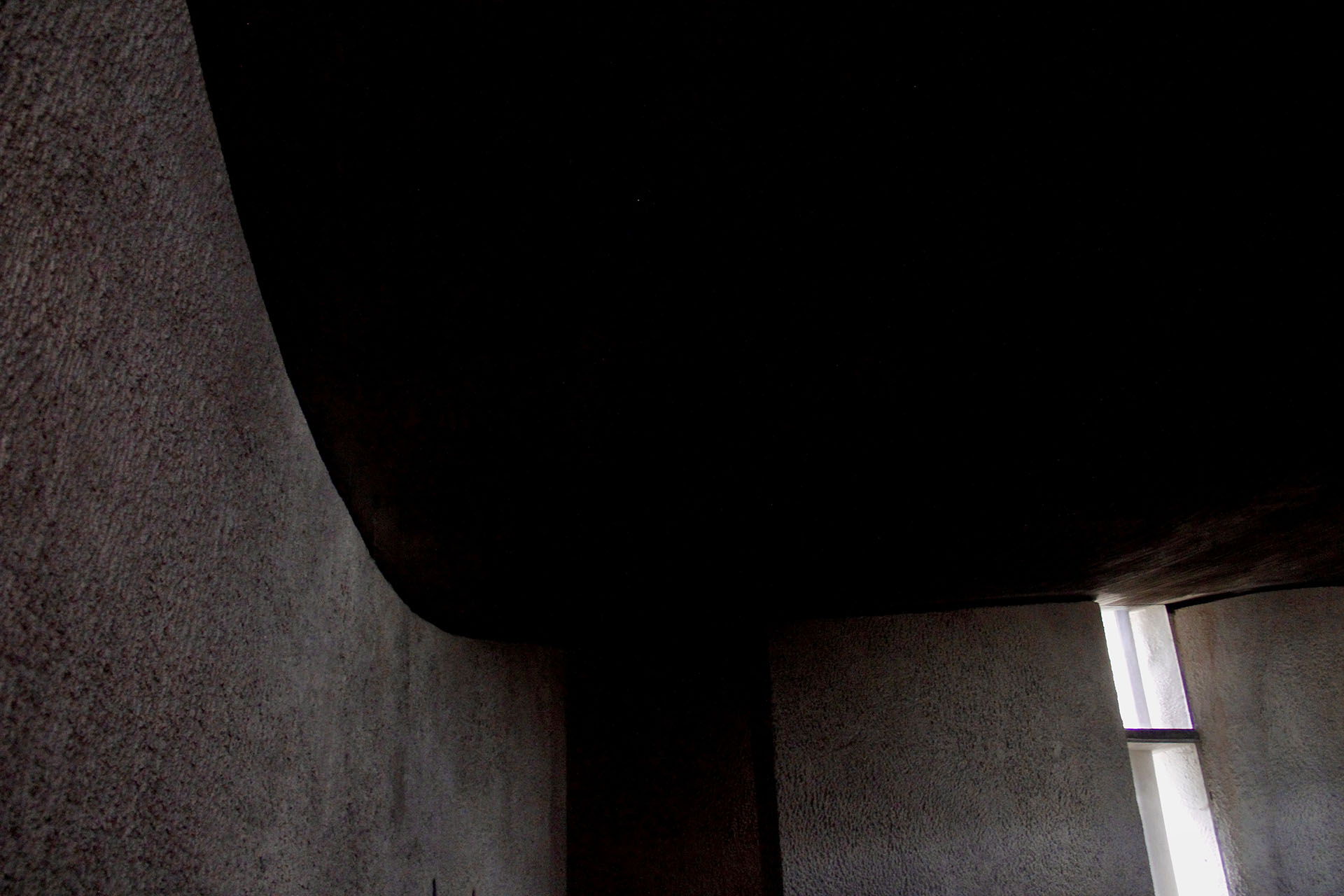
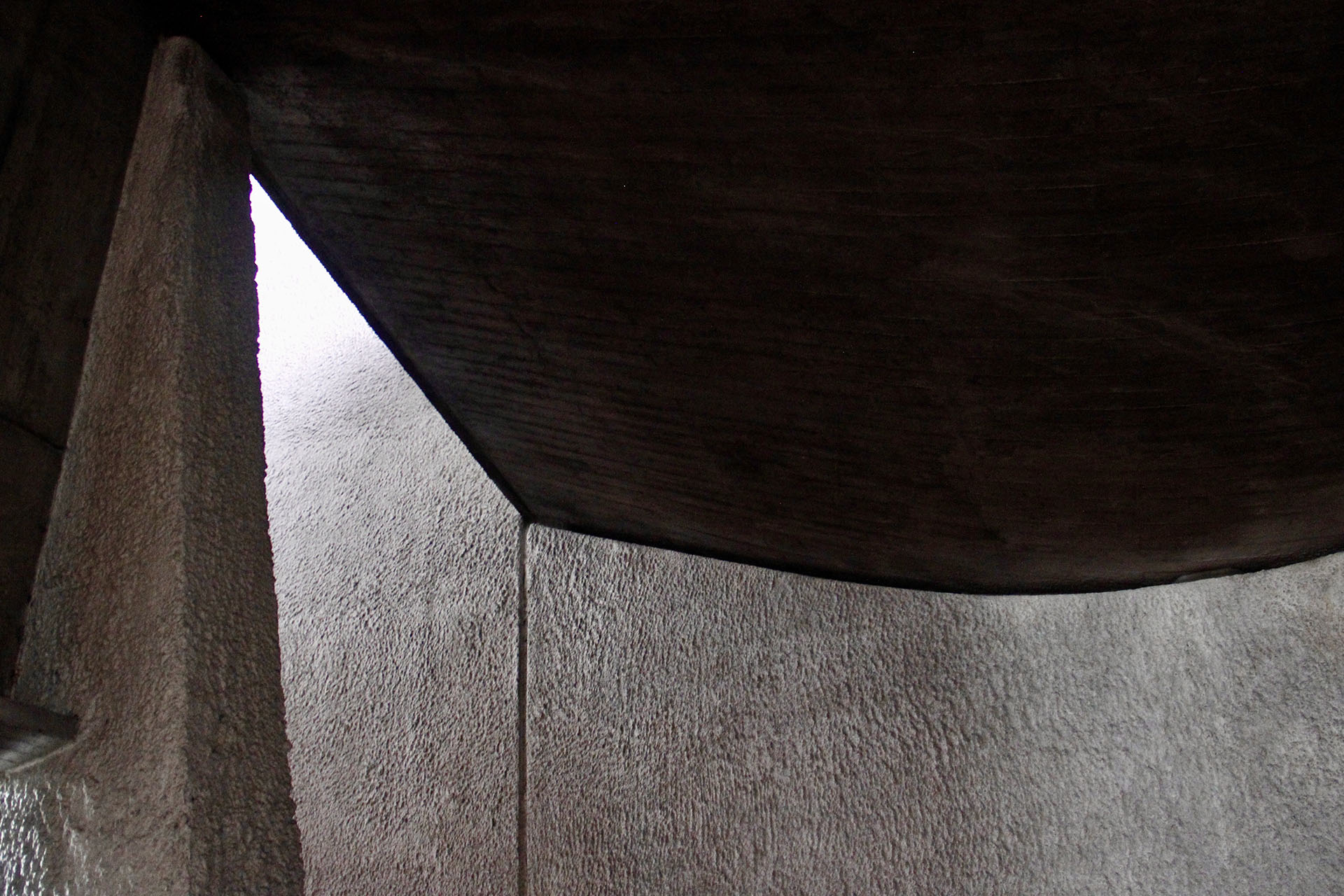
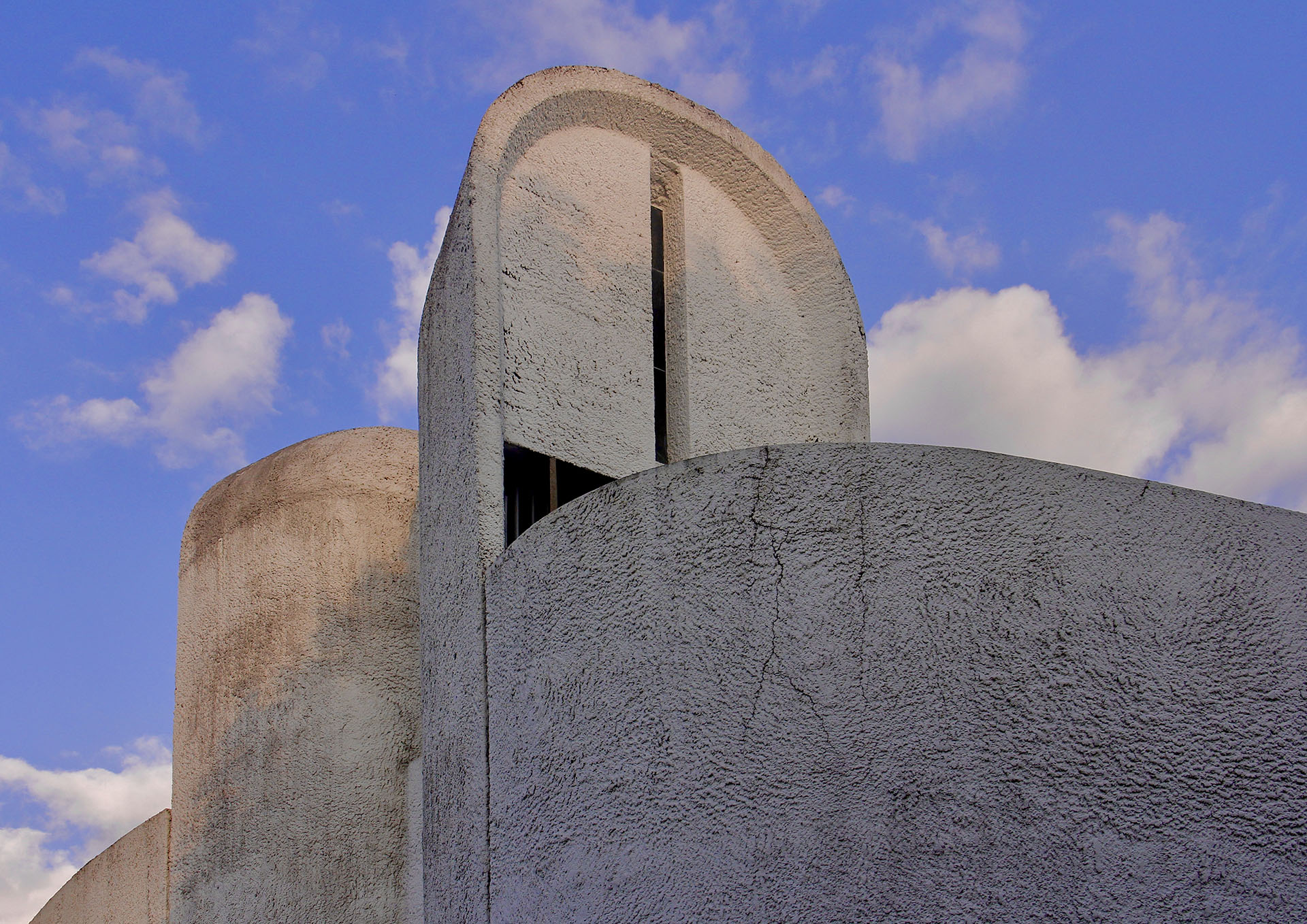
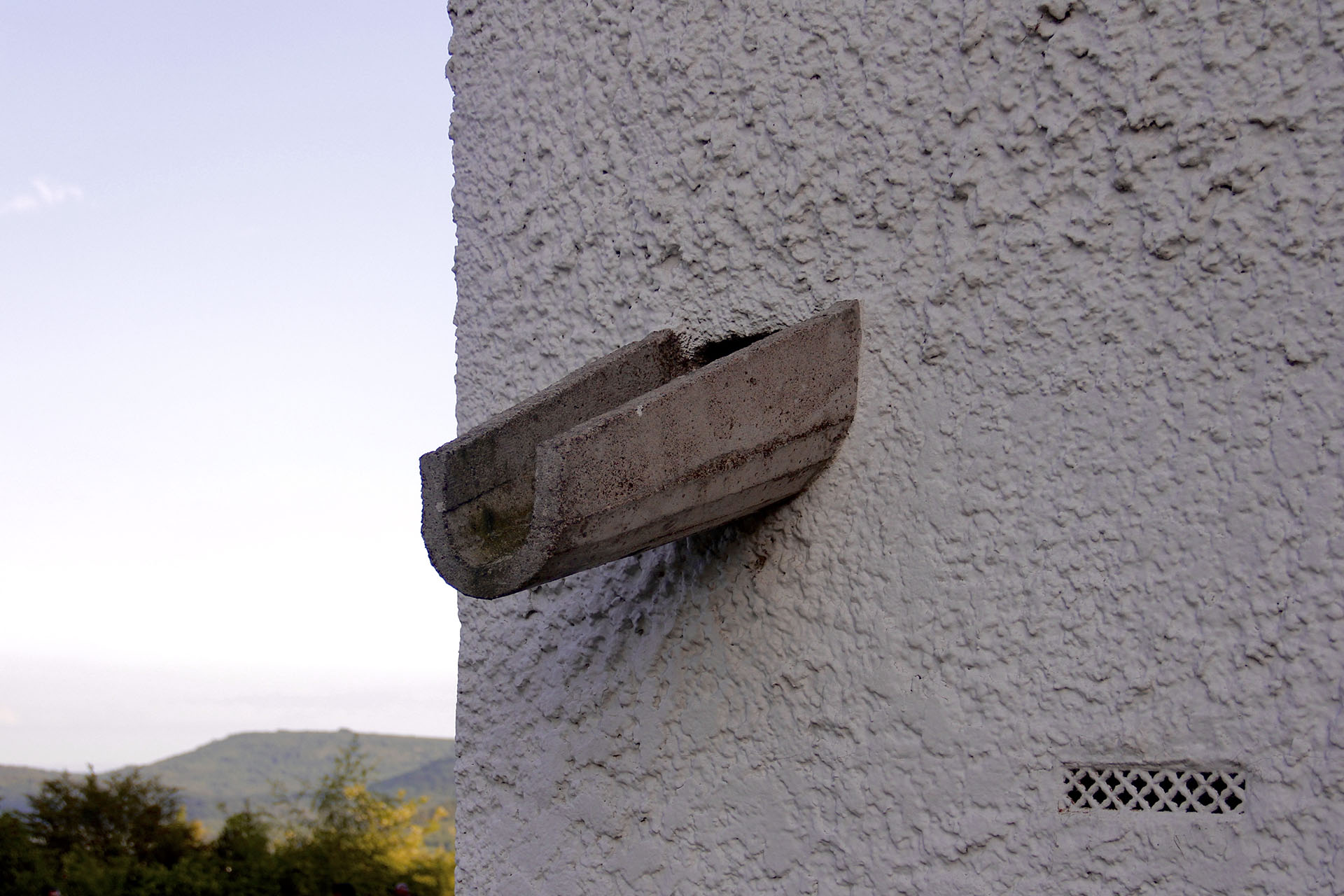
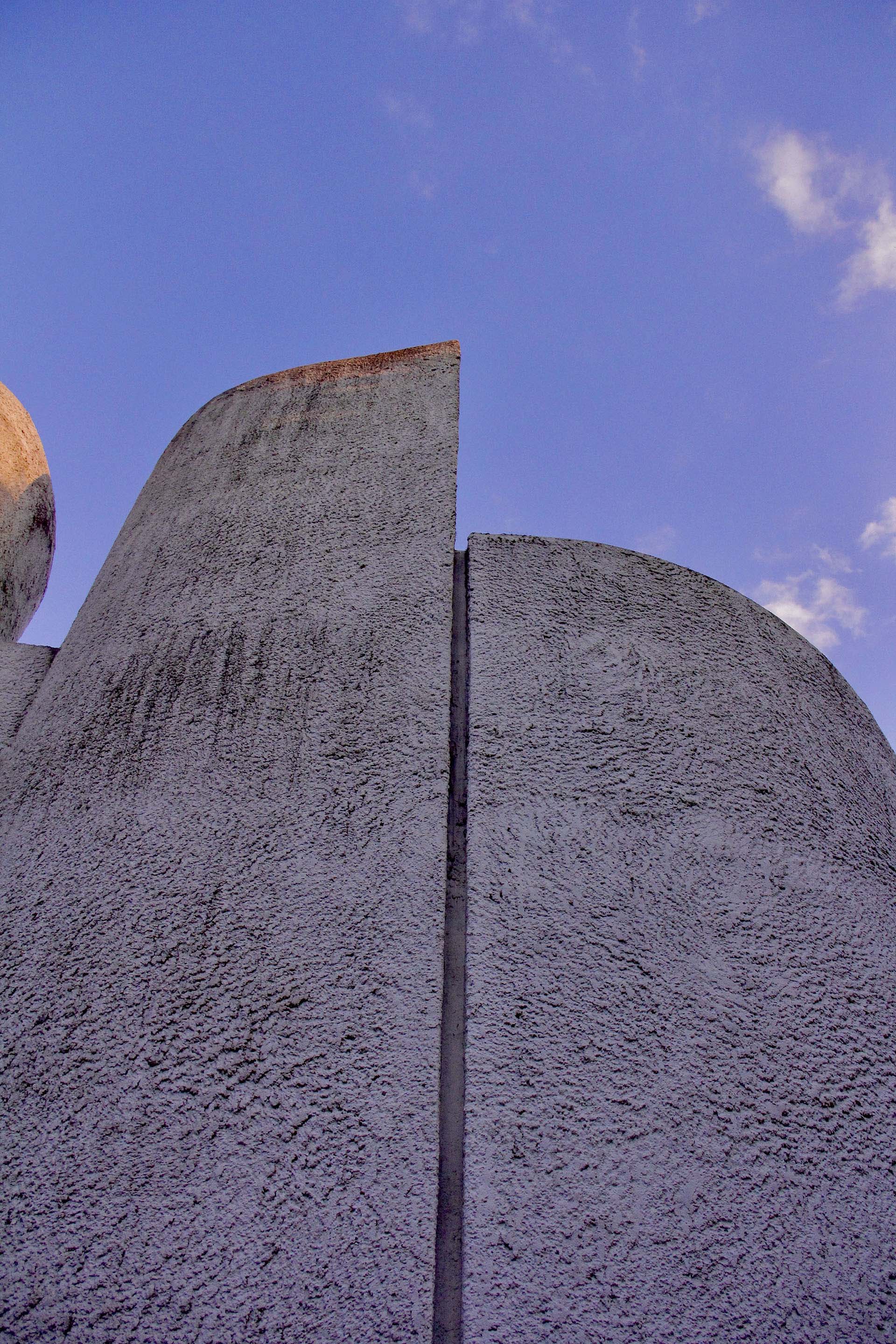
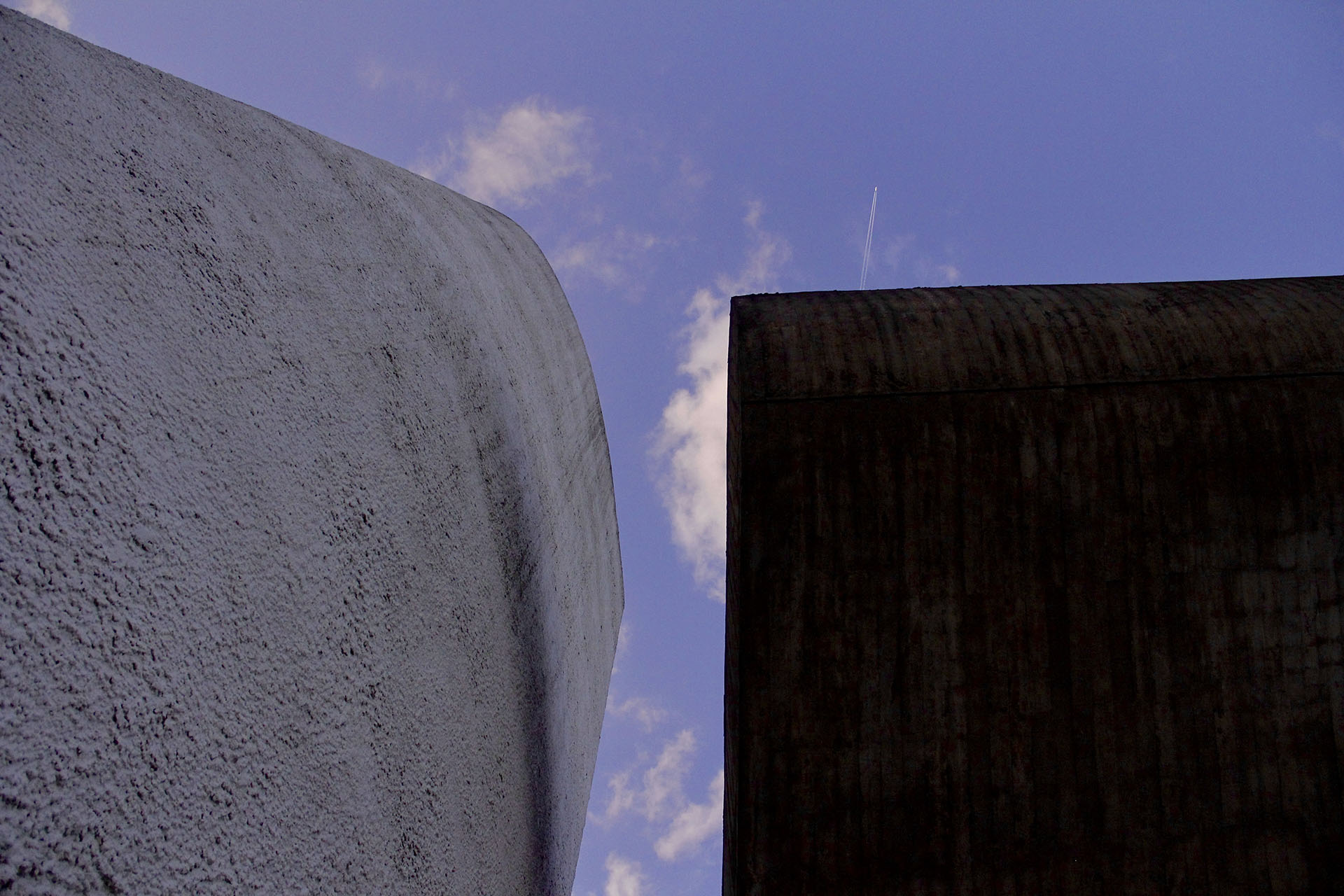
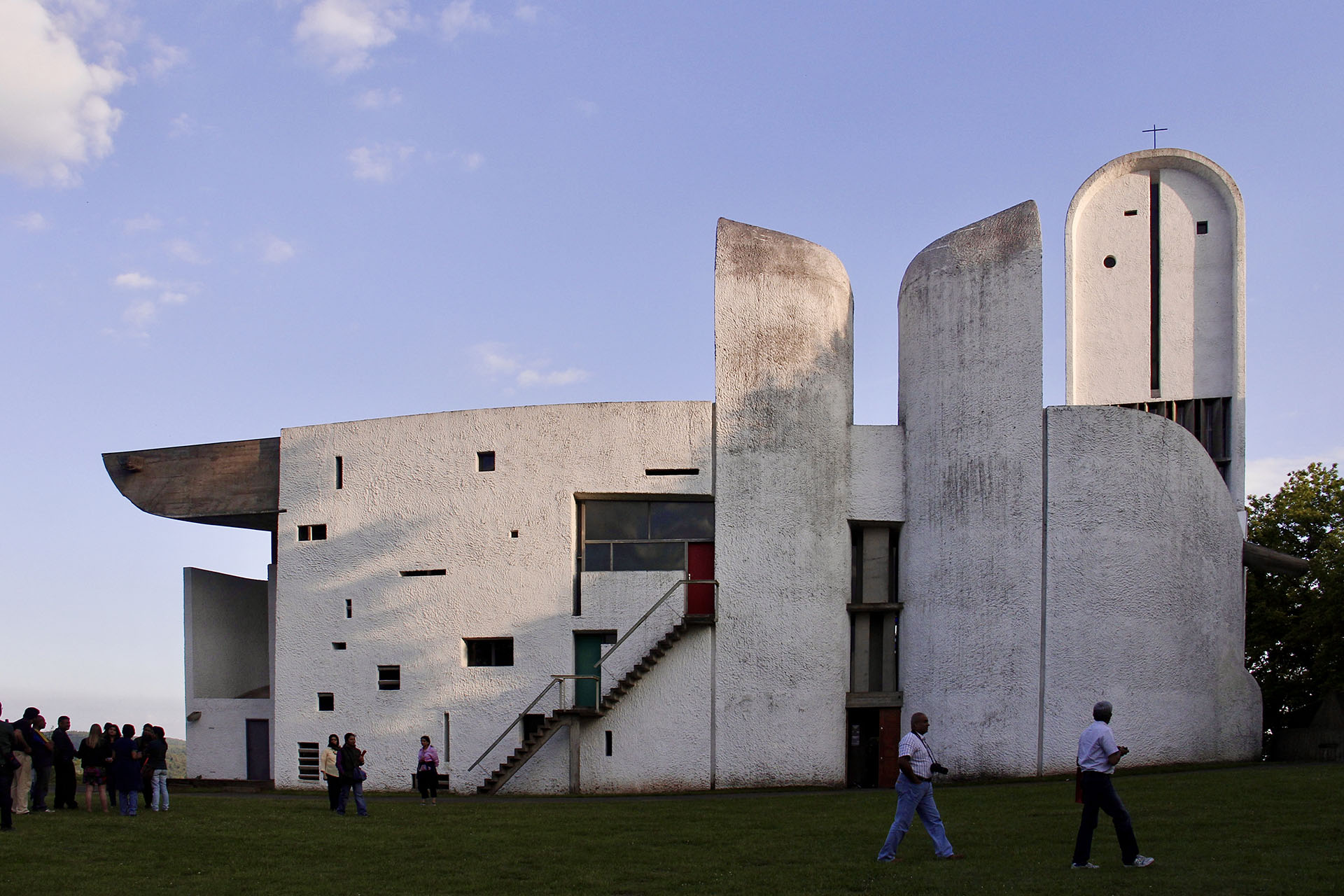
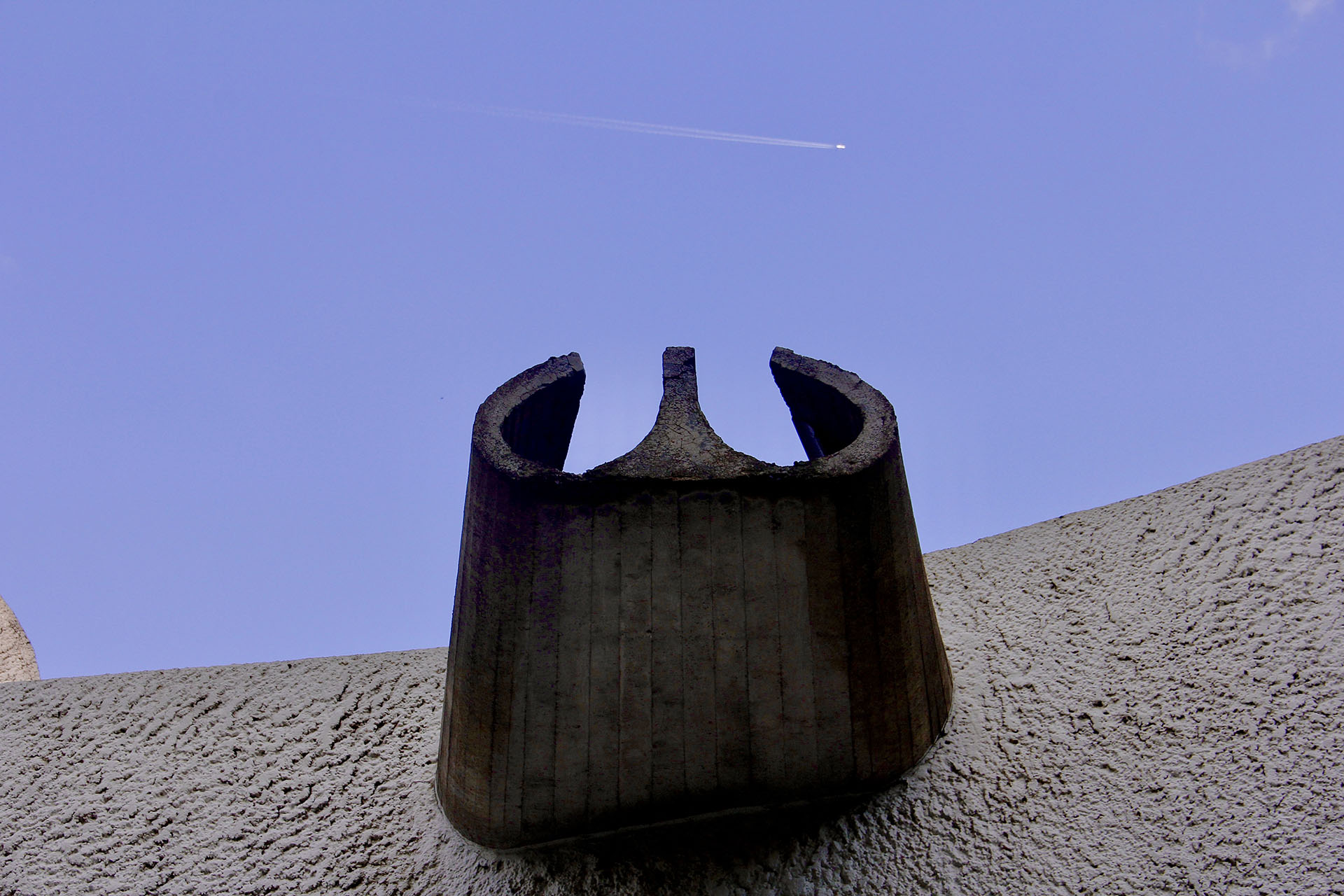
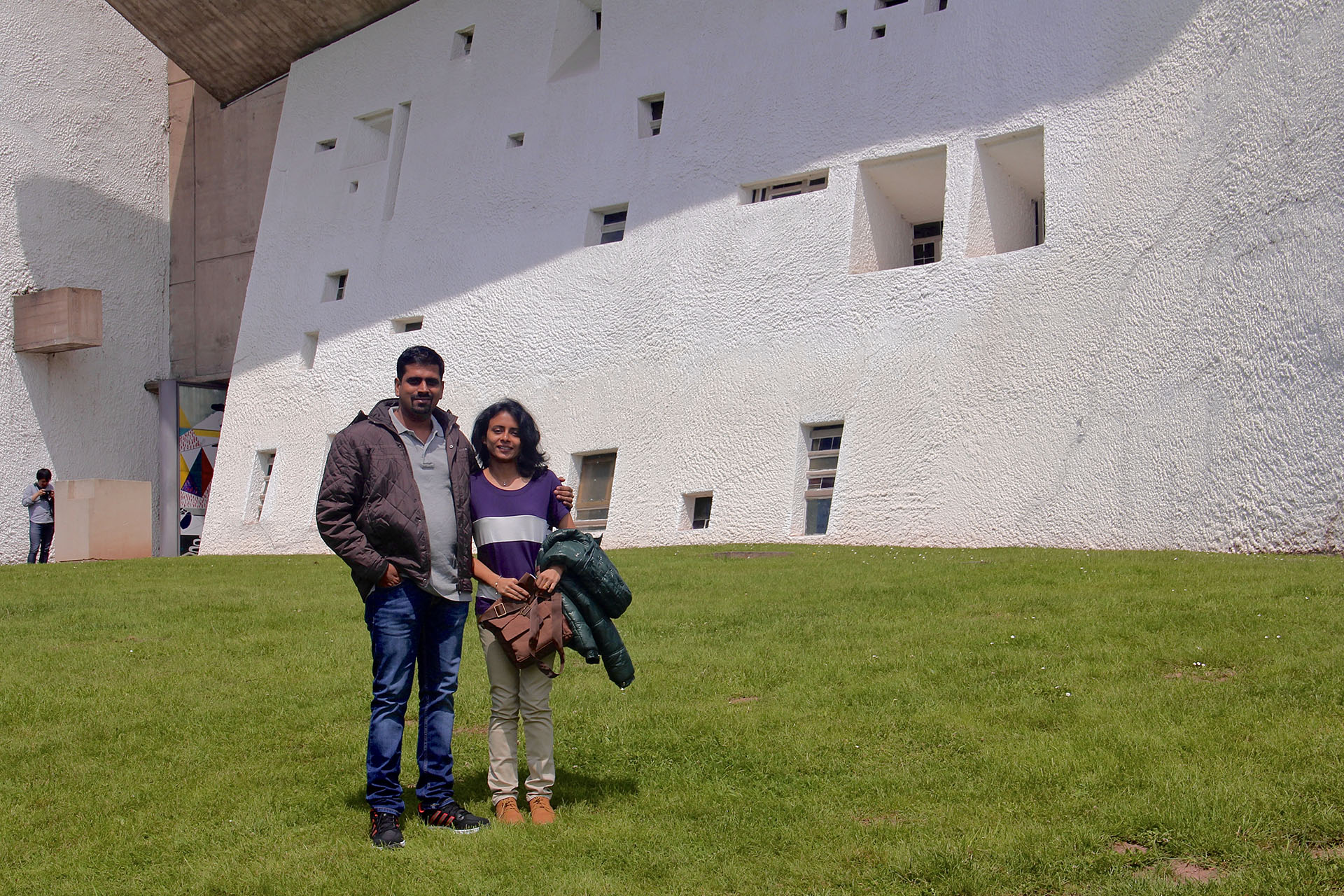
As we approached the site, a hush fell over our group. The building’s unmistakable silhouette emerged gradually on the horizon, its stark, sculptural form rising against the backdrop of sky and earth. The contrast between the chapel’s bold, modernist lines and the gentle curves of the landscape was striking, yet harmonious. Upon reaching the top, we were immediately struck by its commanding presence, not just an object to be viewed, but a force to be felt. Its massive, curved walls, seemingly shaped by the wind itself, exuded a sense of shelter and protection. The roof, resembling the wing of a bird in mid-flight, appeared to hover above the structure, defying gravity while also anchoring the building to the earth. The bulging shape of Brancusi’s ‘Bird in Space’ seemed to find a counterpart in this roof, a soaring form that both grounded the building and lifted it into the sky. The rough, textured concrete walls bore the marks of their creation, a testament to the hand of the architect and the labour of the builders who had brought Le Corbusier’s vision to life.
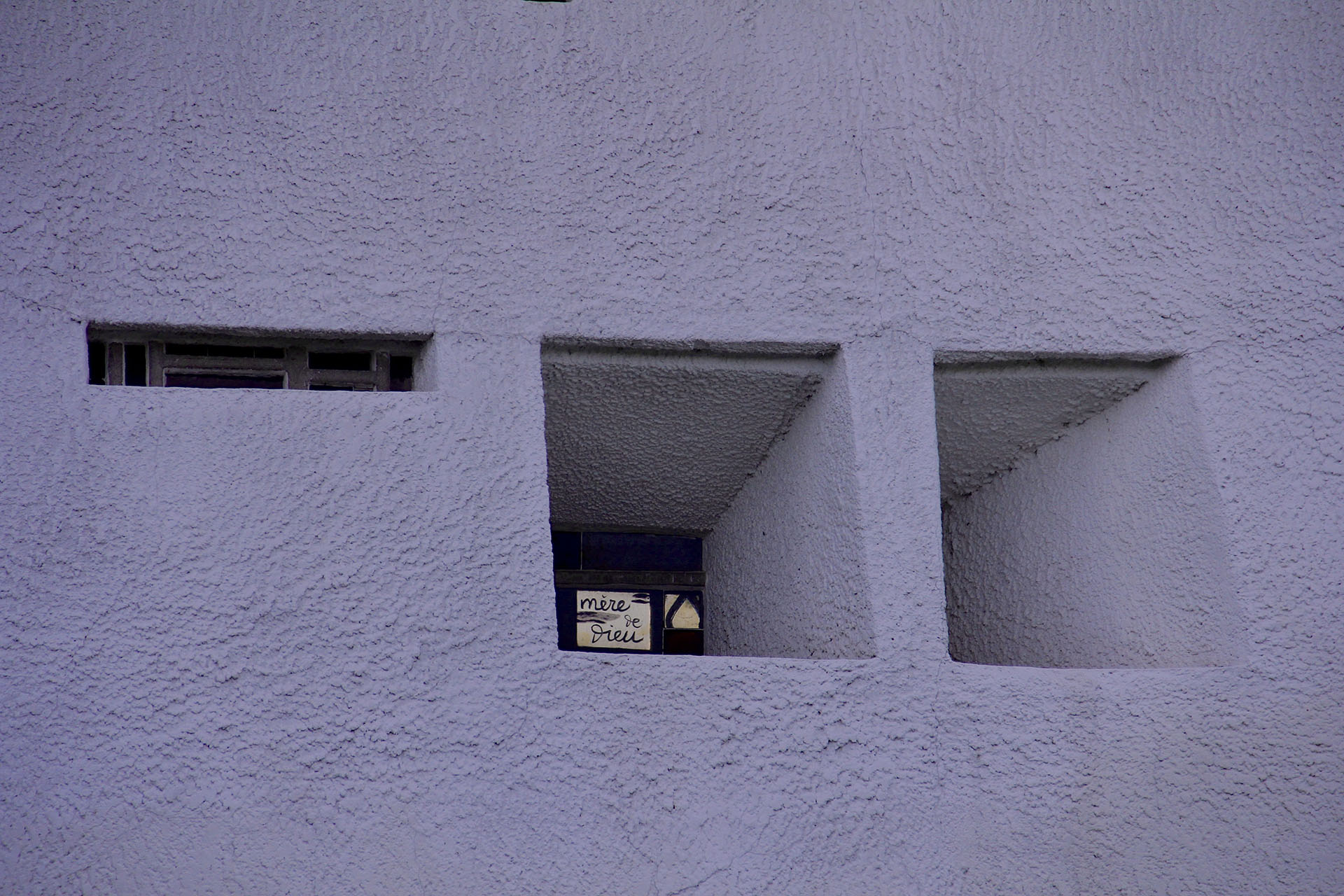
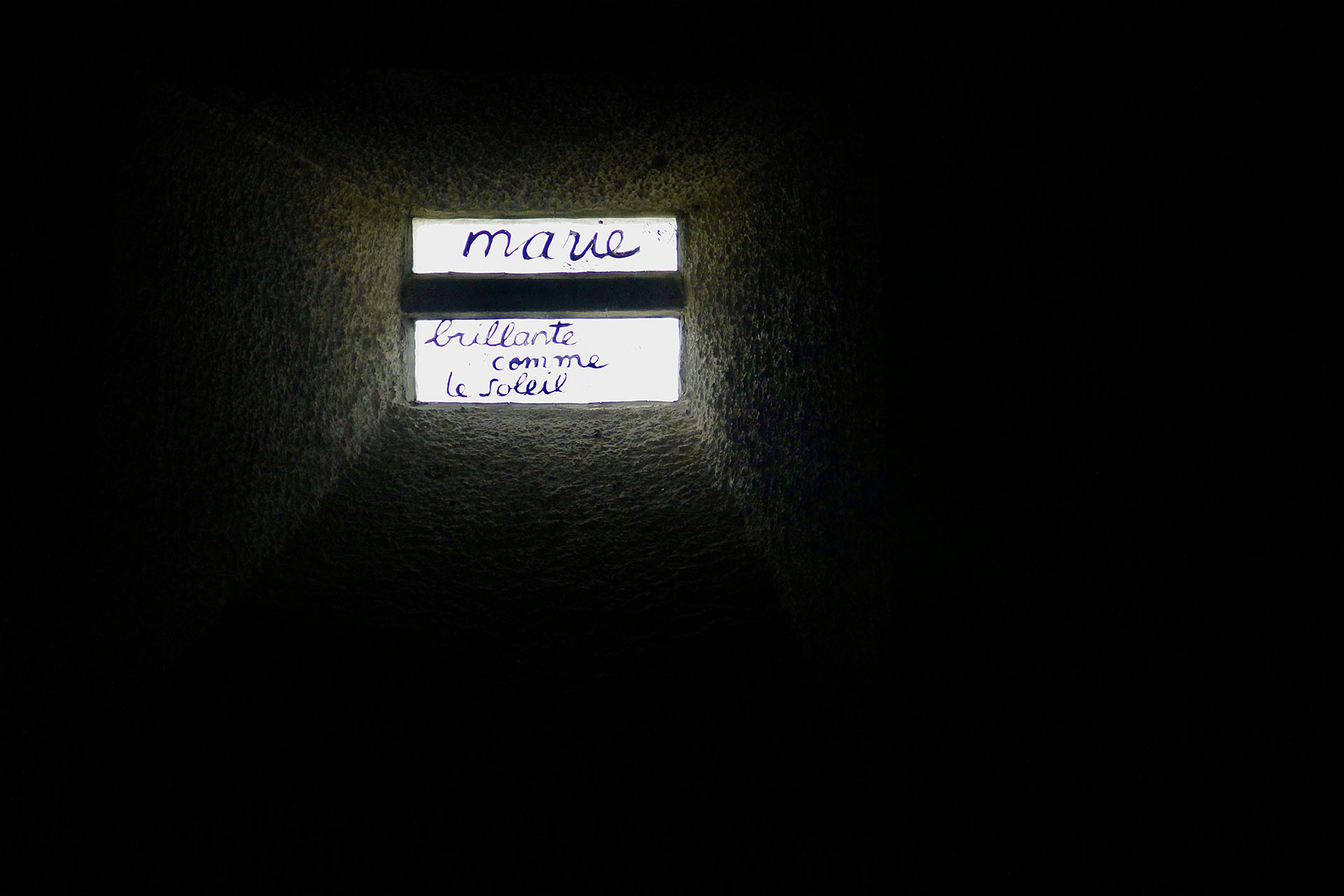
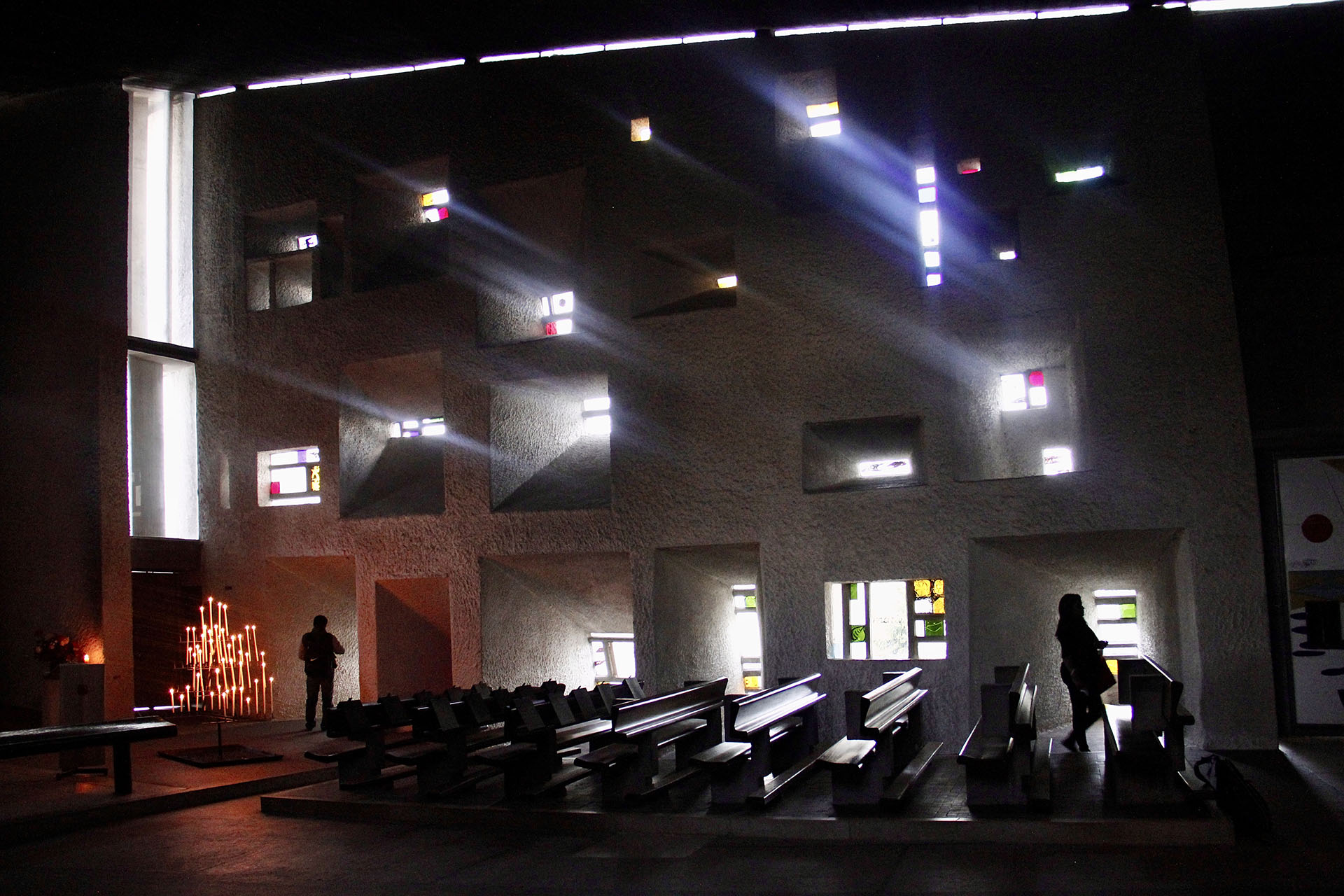
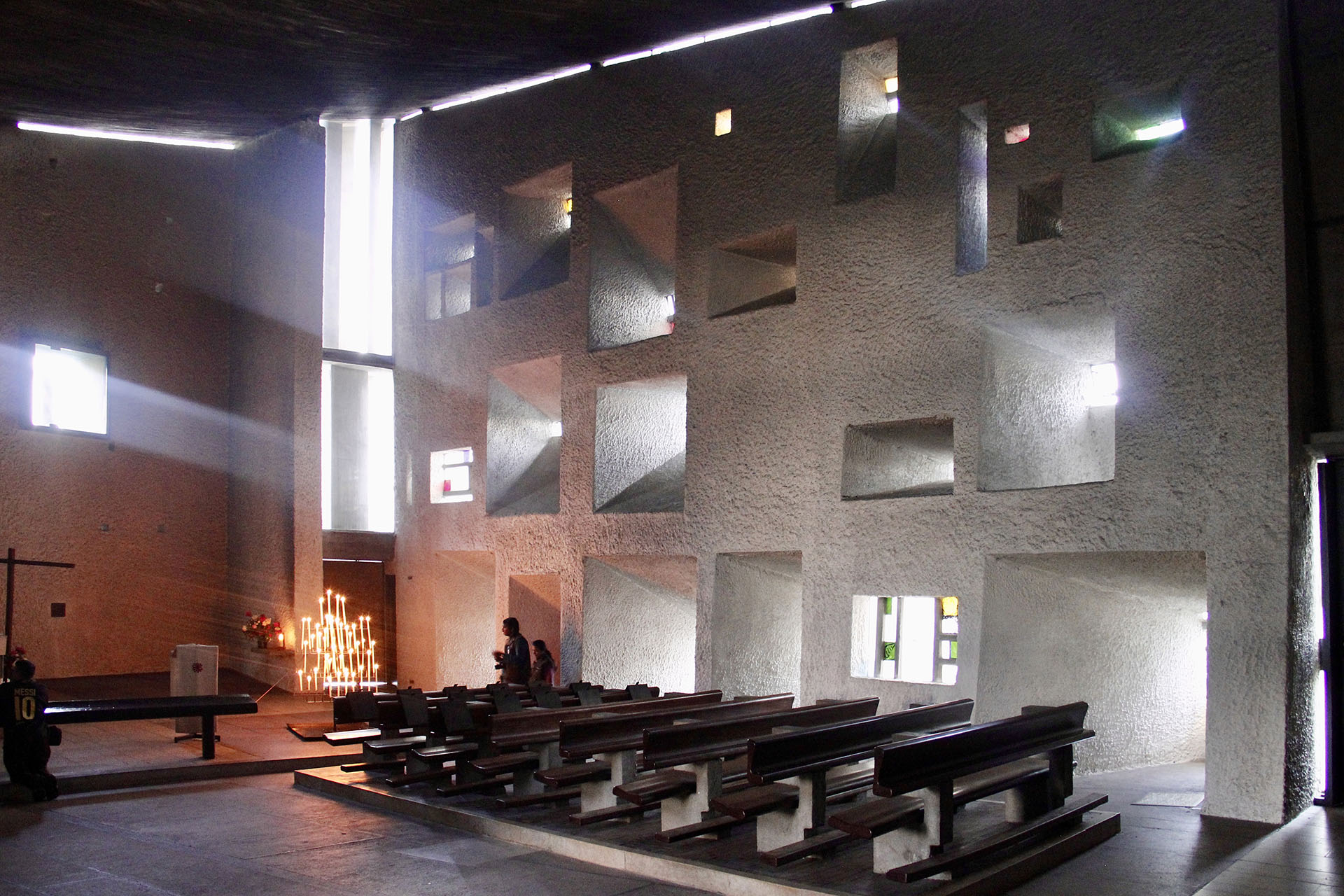
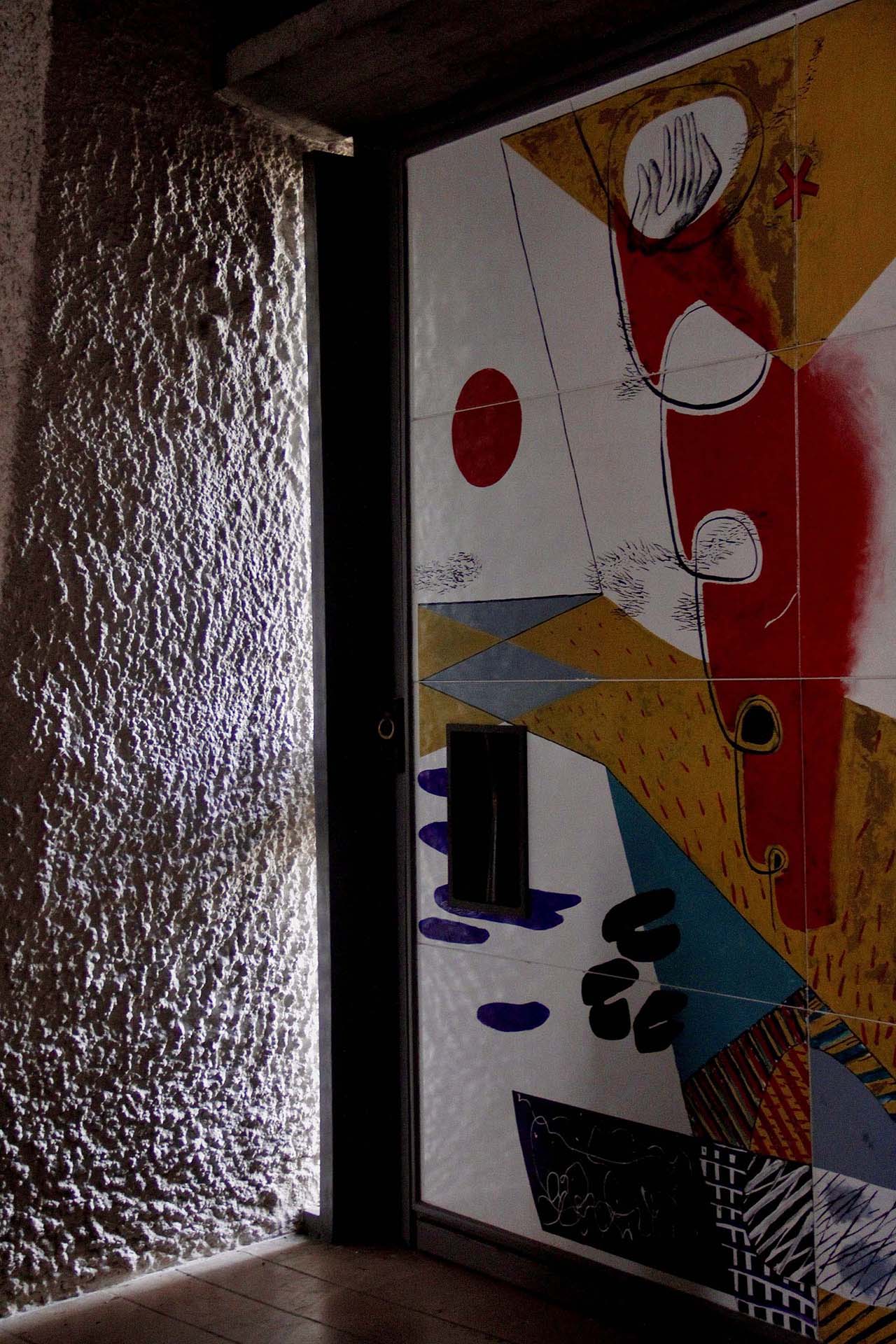
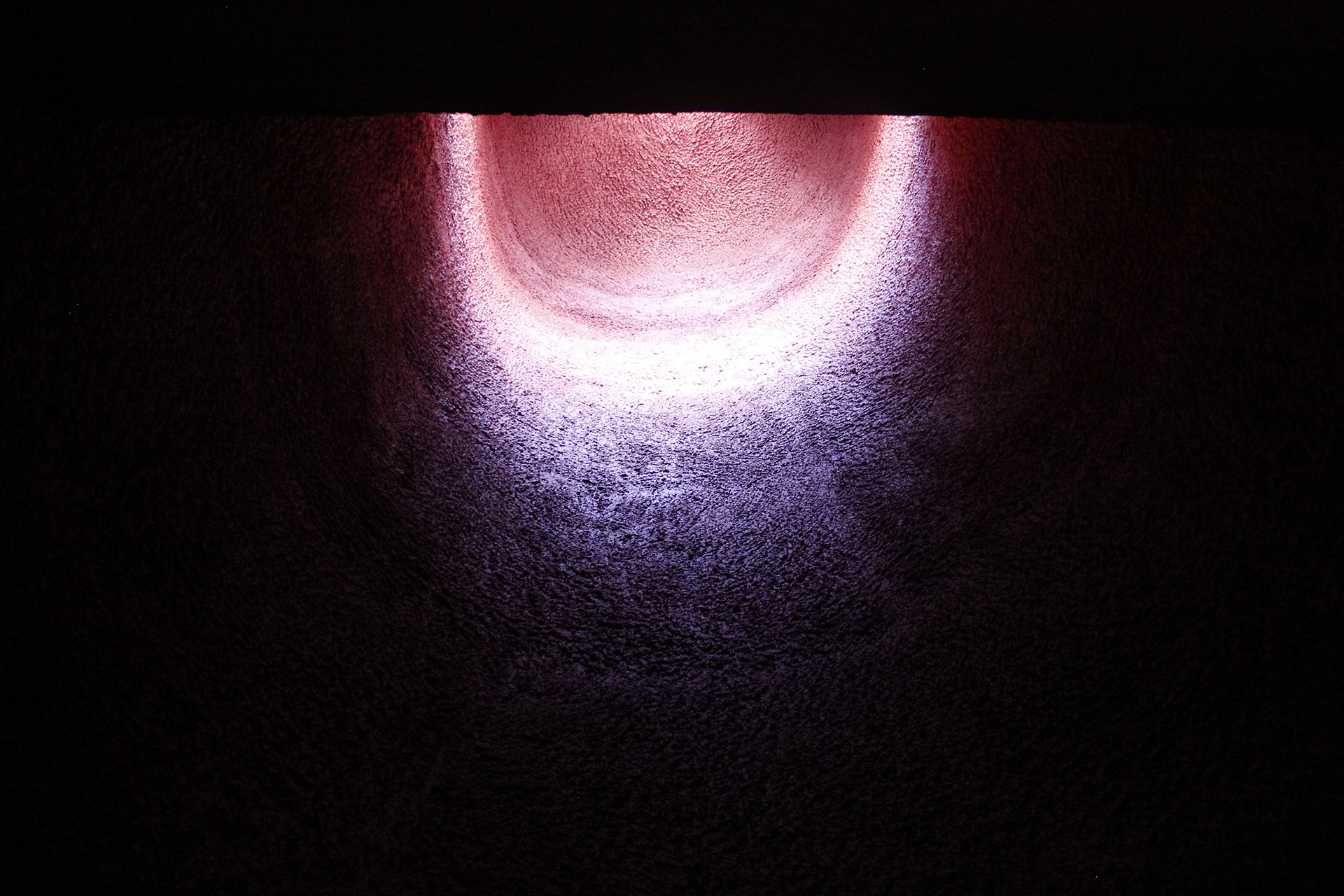
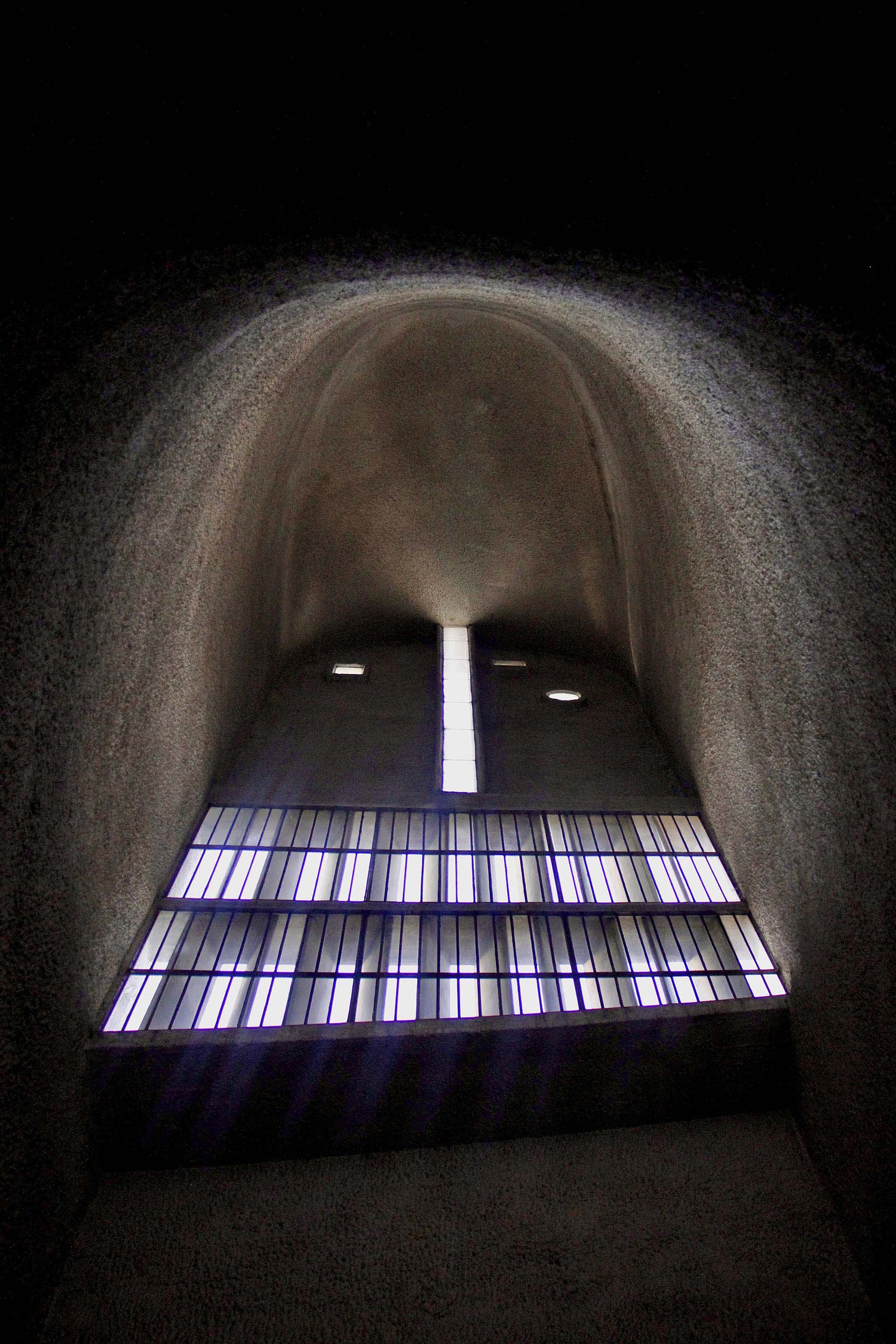
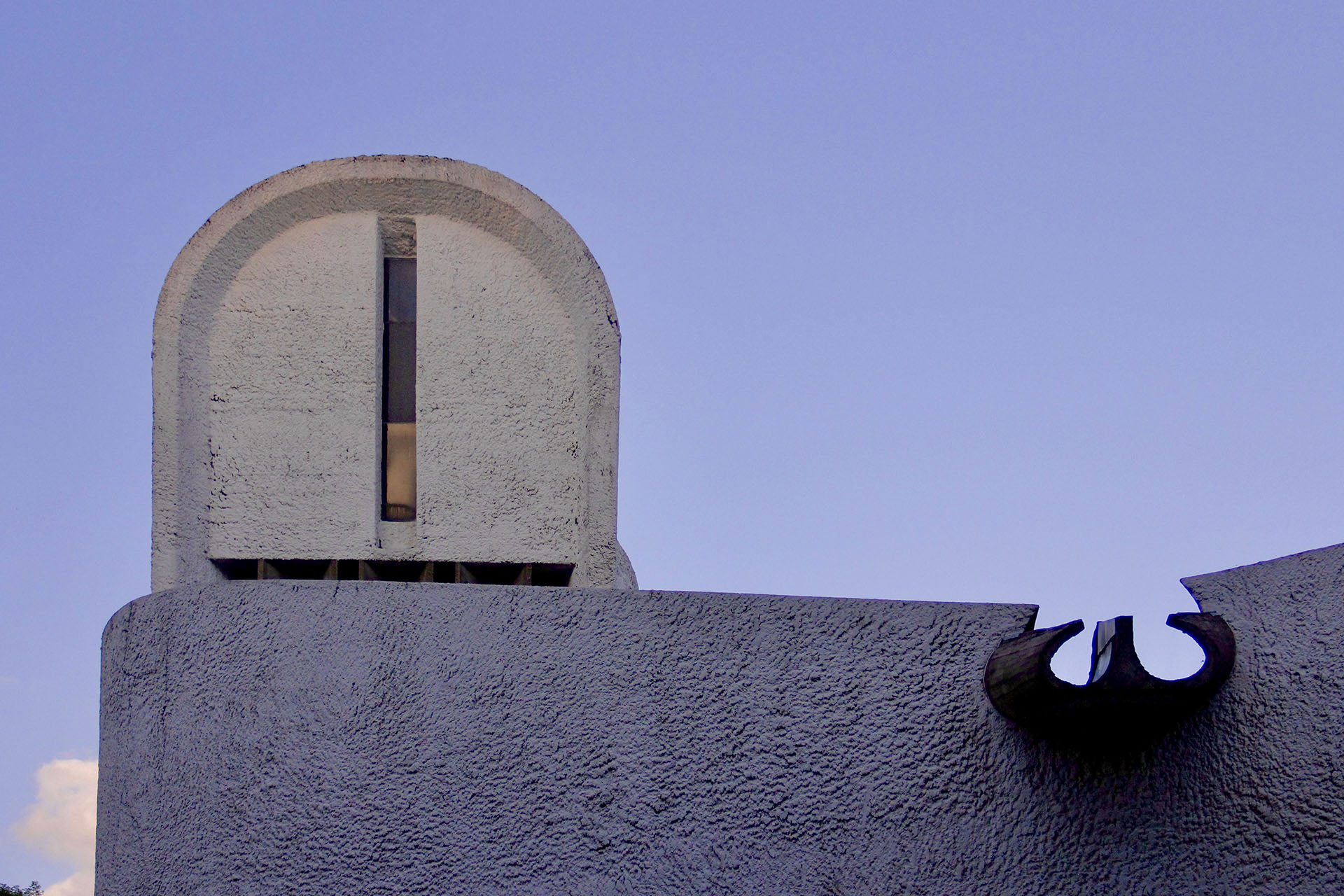
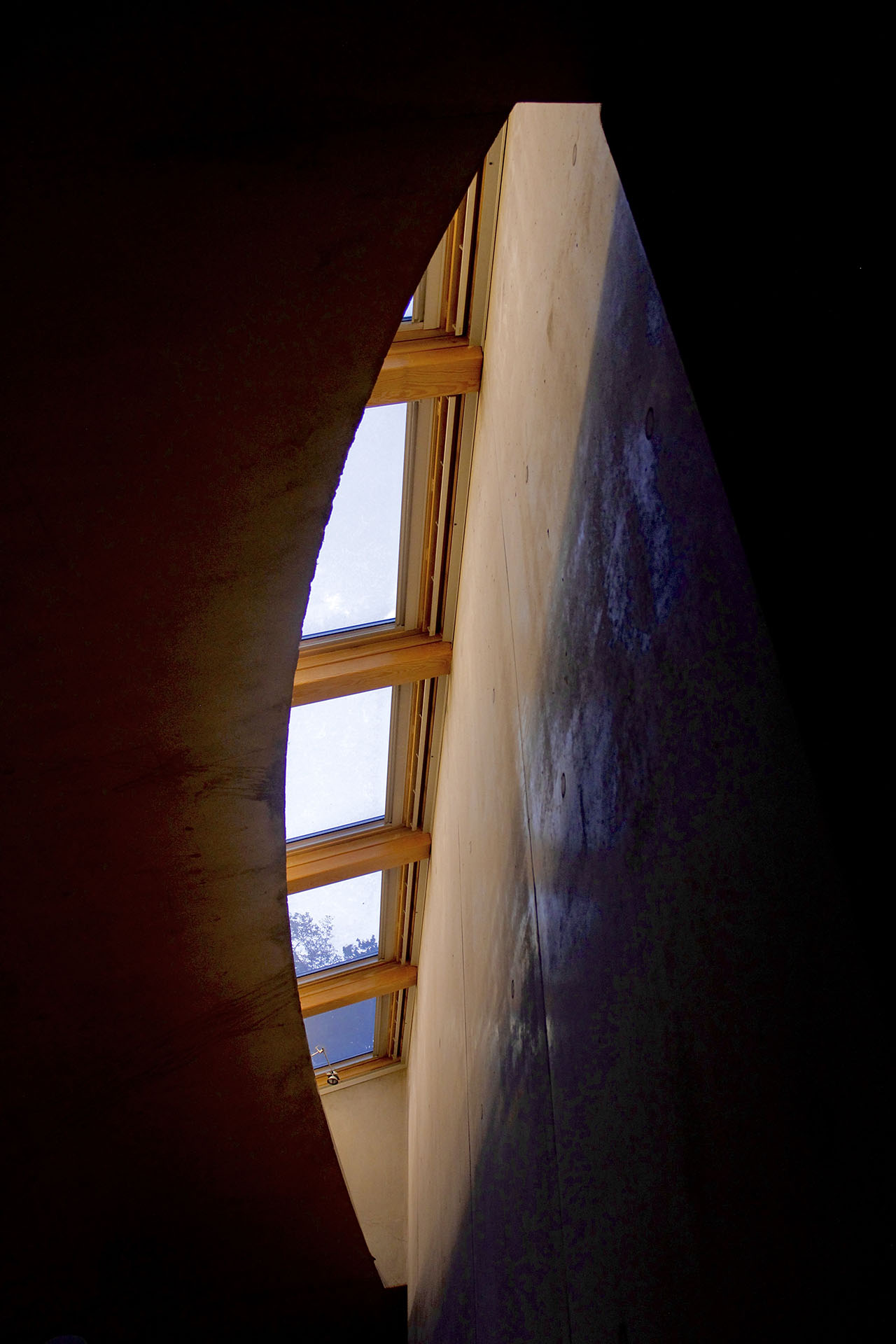
Circling around the exterior of the chapel, we were struck by its complex simplicity. Every curve, every angle, every void had a purpose, inviting us to explore and discover. The windows, irregularly placed and varying in size, played with light in ways that were both unexpected and mesmerising. Sunlight streamed through these apertures, casting patterns of light and shadow that danced across the walls and floors. It was as if the building itself were alive, breathing with the movement of the sun, the clouds, and the day.
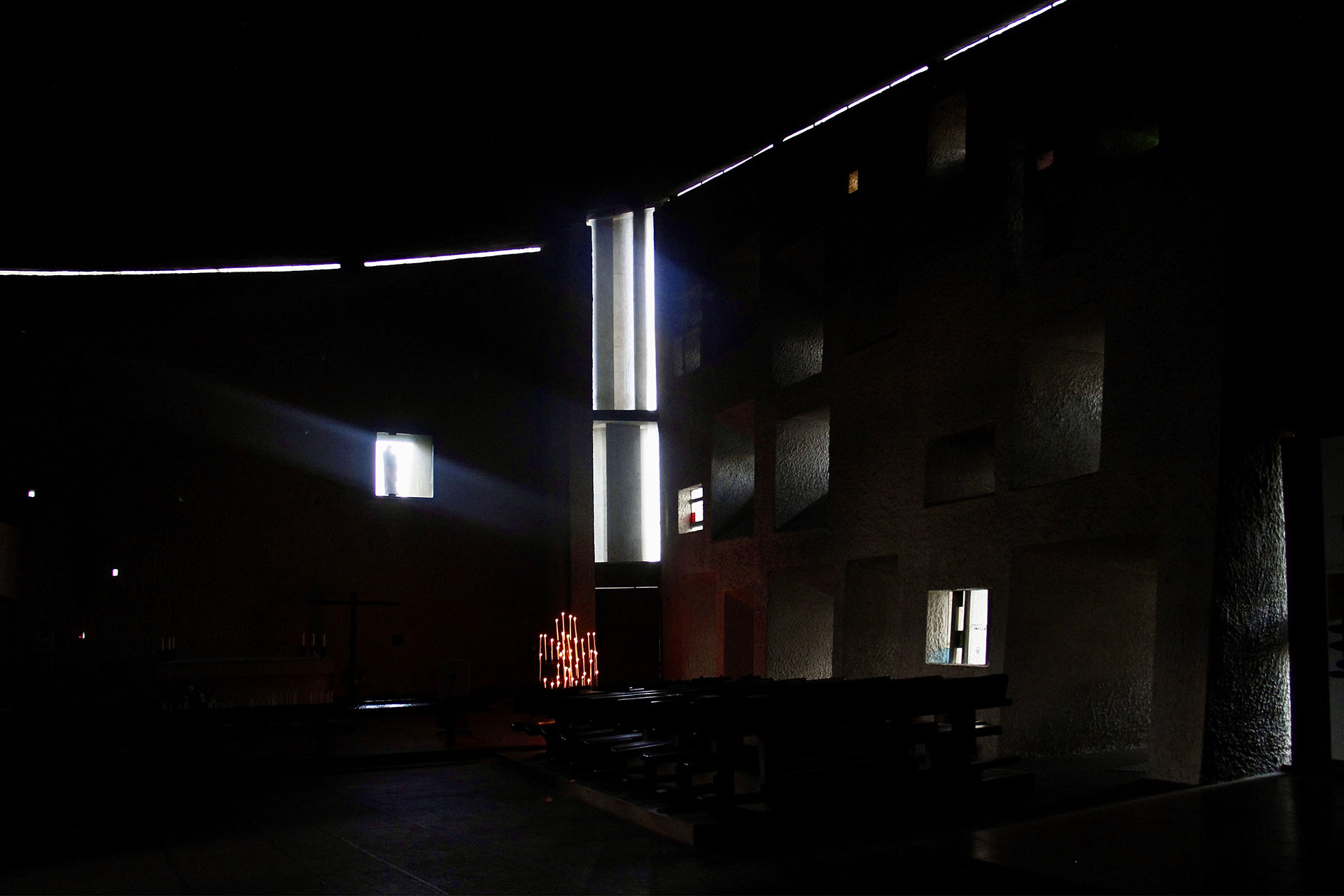
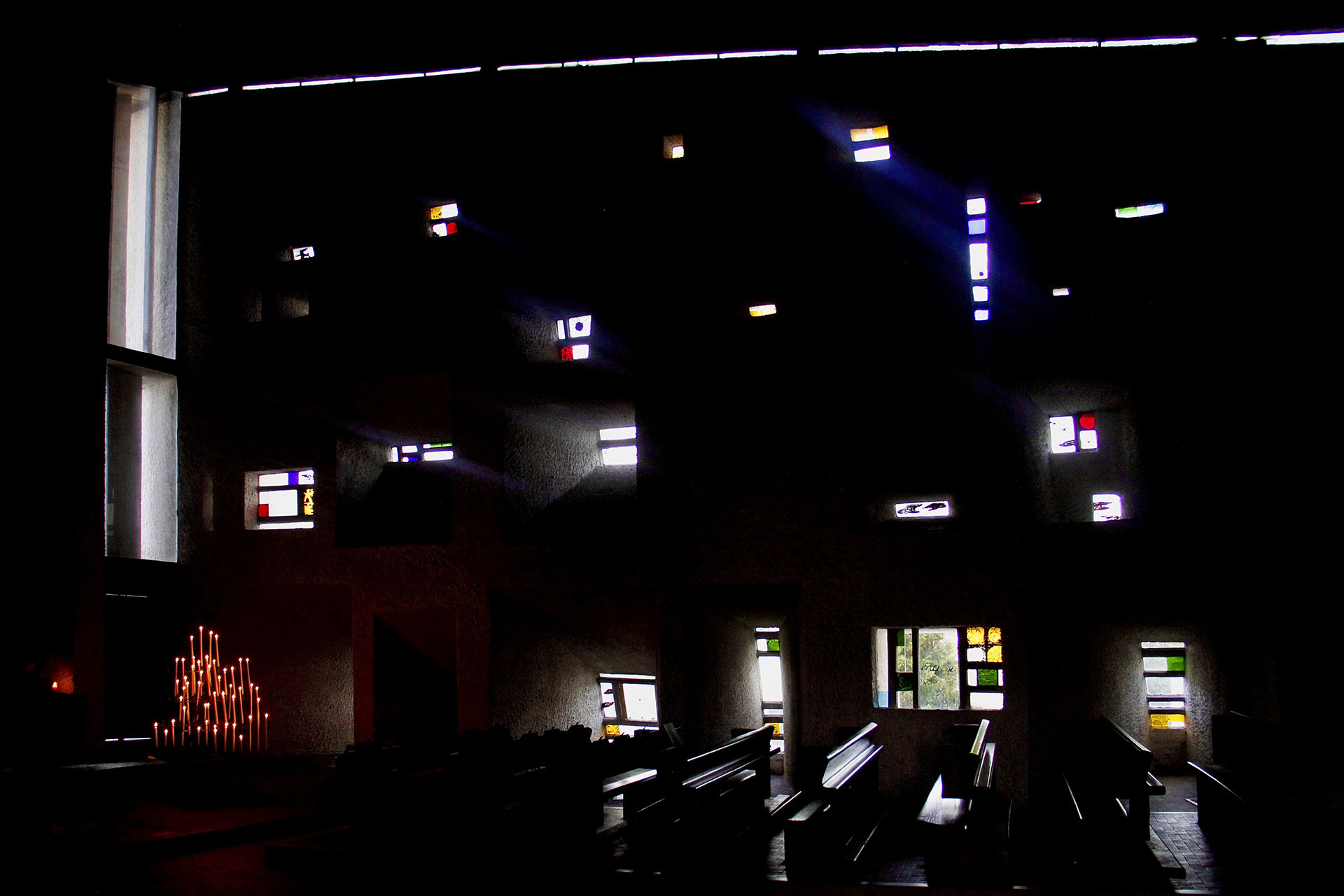
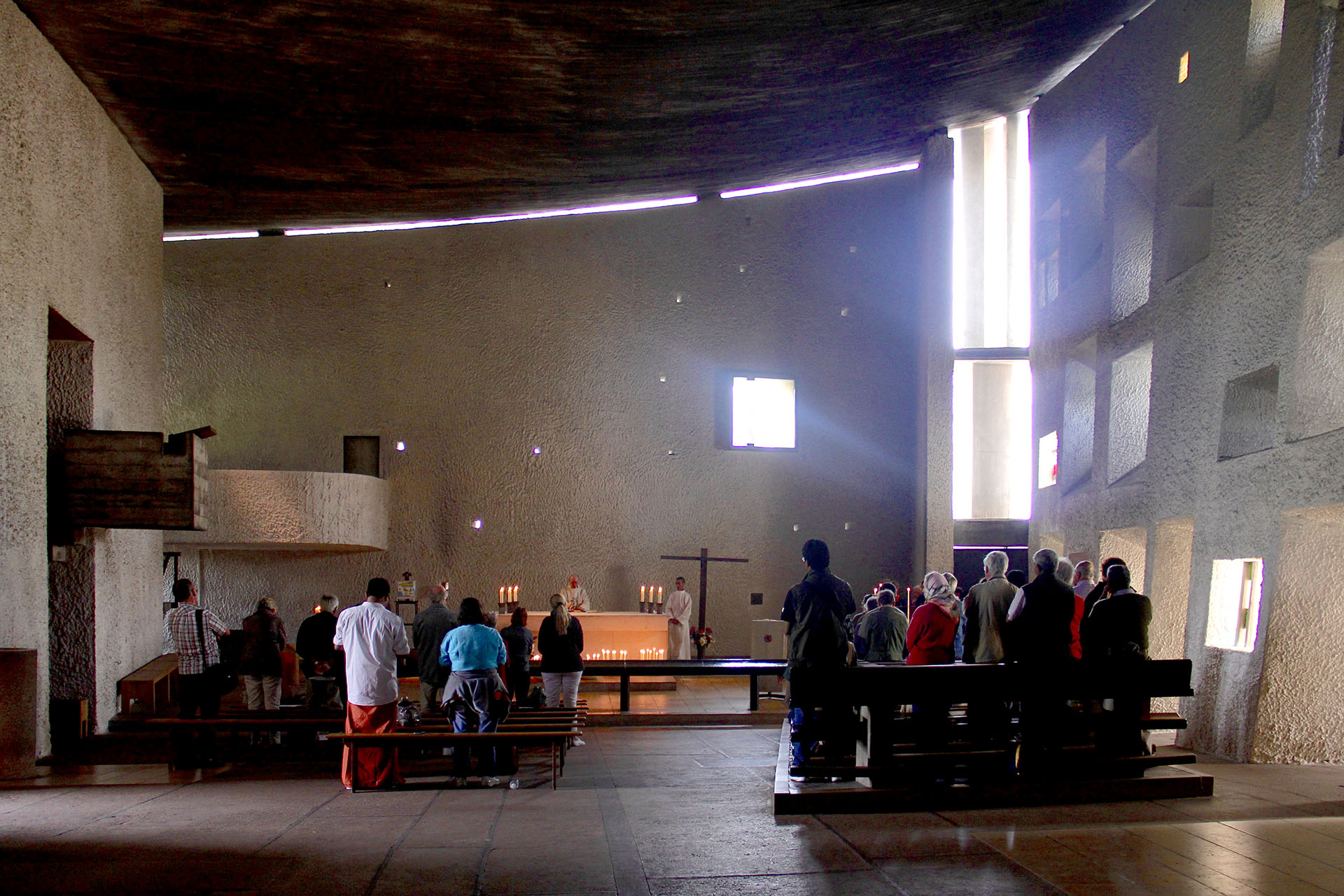
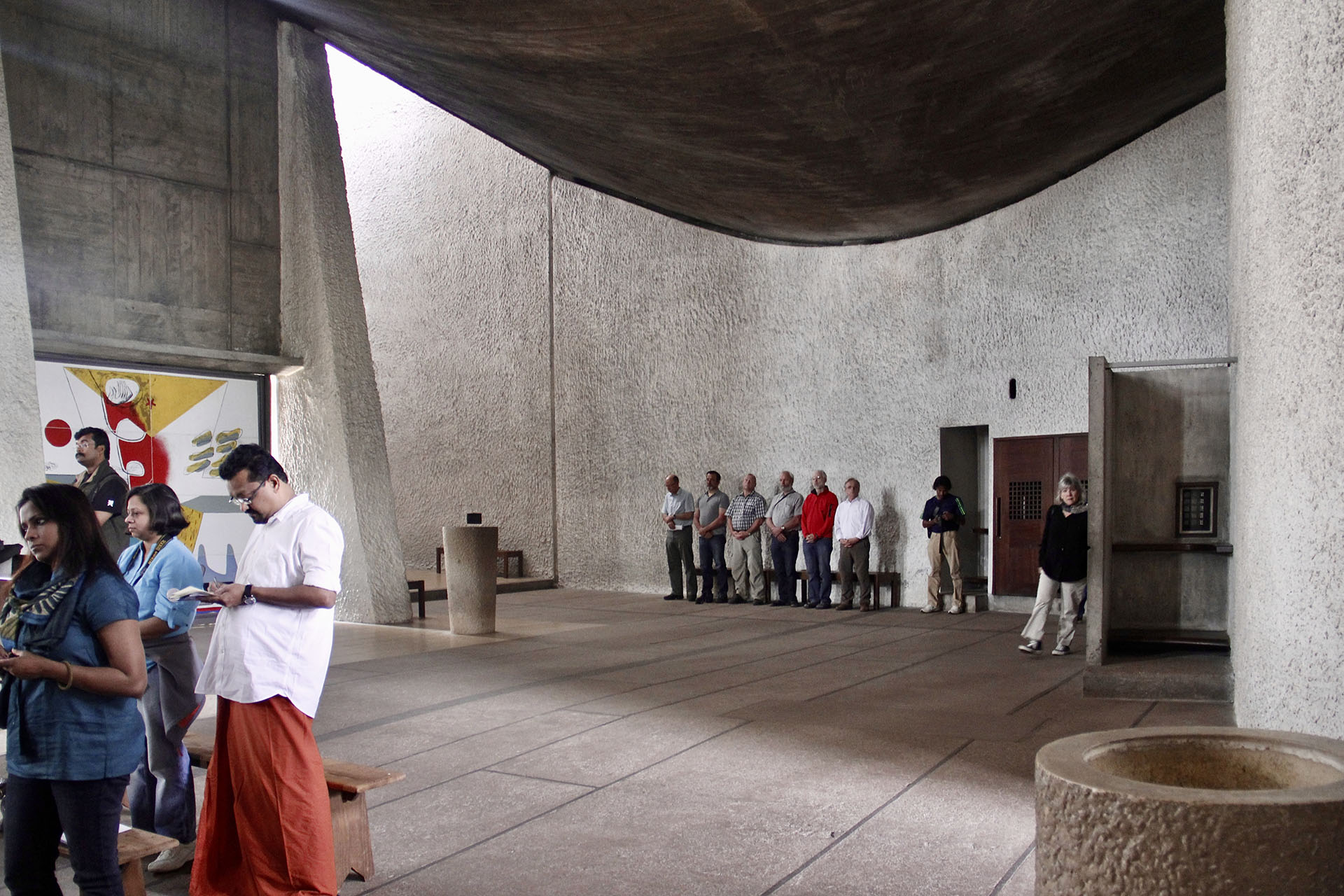
Entering the chapel for the first time, we were initially struck by its deep darkness, wondering if Corbusier had erred in designing a place of worship. But as our eyes adjusted, the shadows began to lift, revealing a carefully calibrated light that felt just right. What seemed like a void transformed into a space bathed in serene illumination. We couldn’t help but marvel at how Corbusier had managed to achieve this – nothing short of divine.
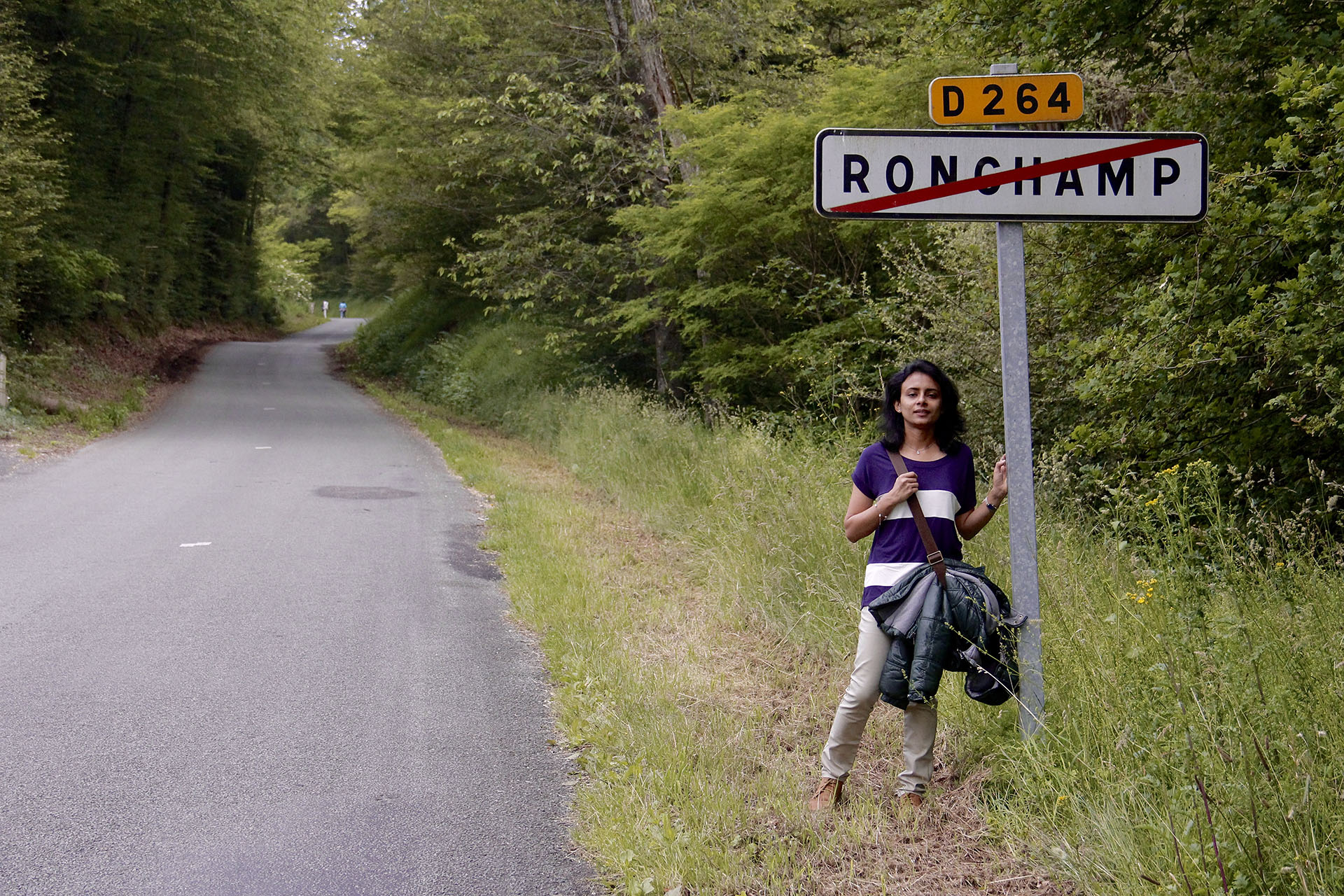
We stayed in a small inn in the nearby village, allowing us to walk to the chapel the next morning. The second day began with an early rise. After breakfast, we set off on foot, filled with excitement and a sense of pilgrimage. During the uphill climb, the only sounds were our own breaths, the rhythmic crunch of gravel underfoot, and the distant call of birds. Our hearts beat faster as we approached the chapel, knowing we were about to attend a holy mass within this architectural masterpiece.
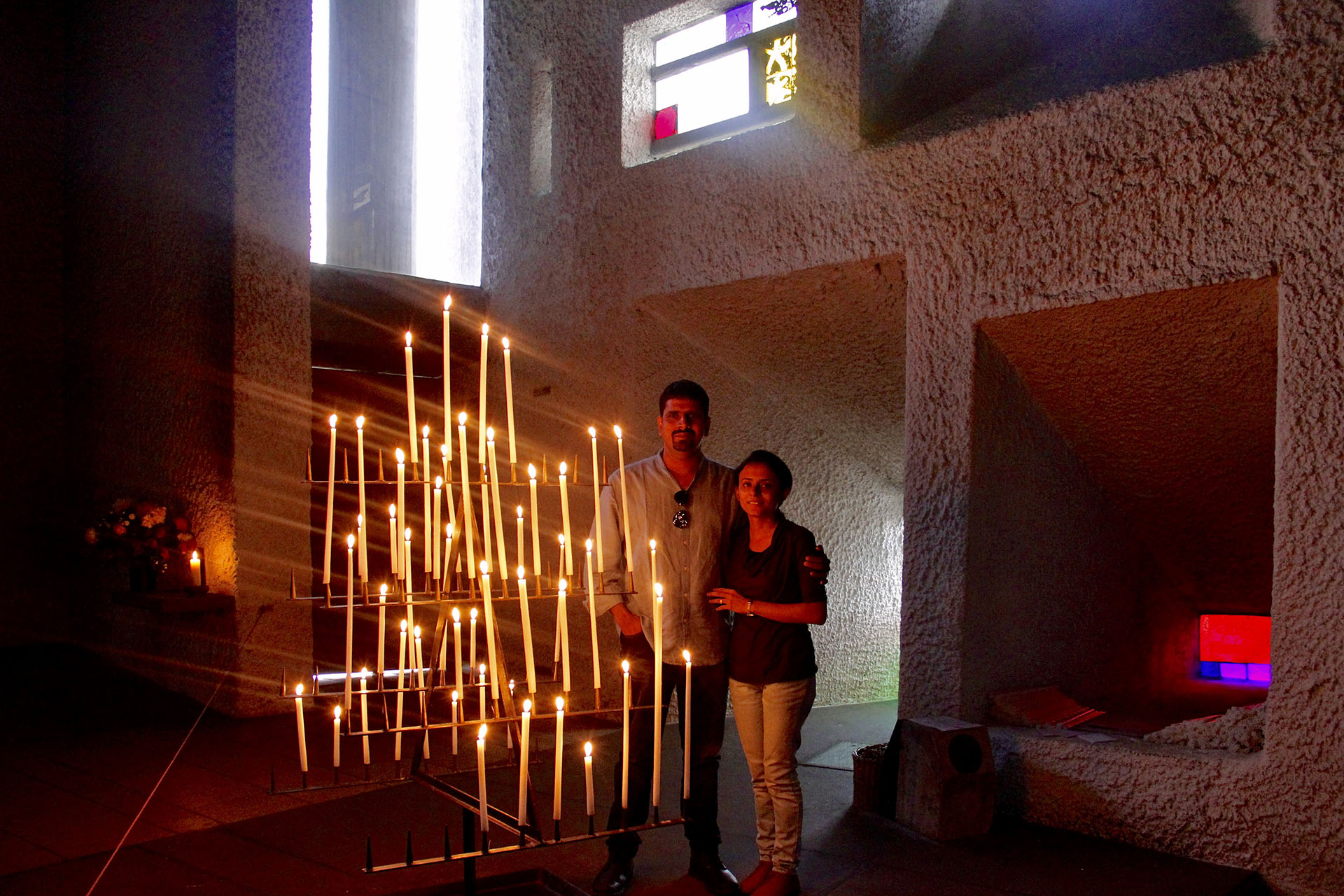
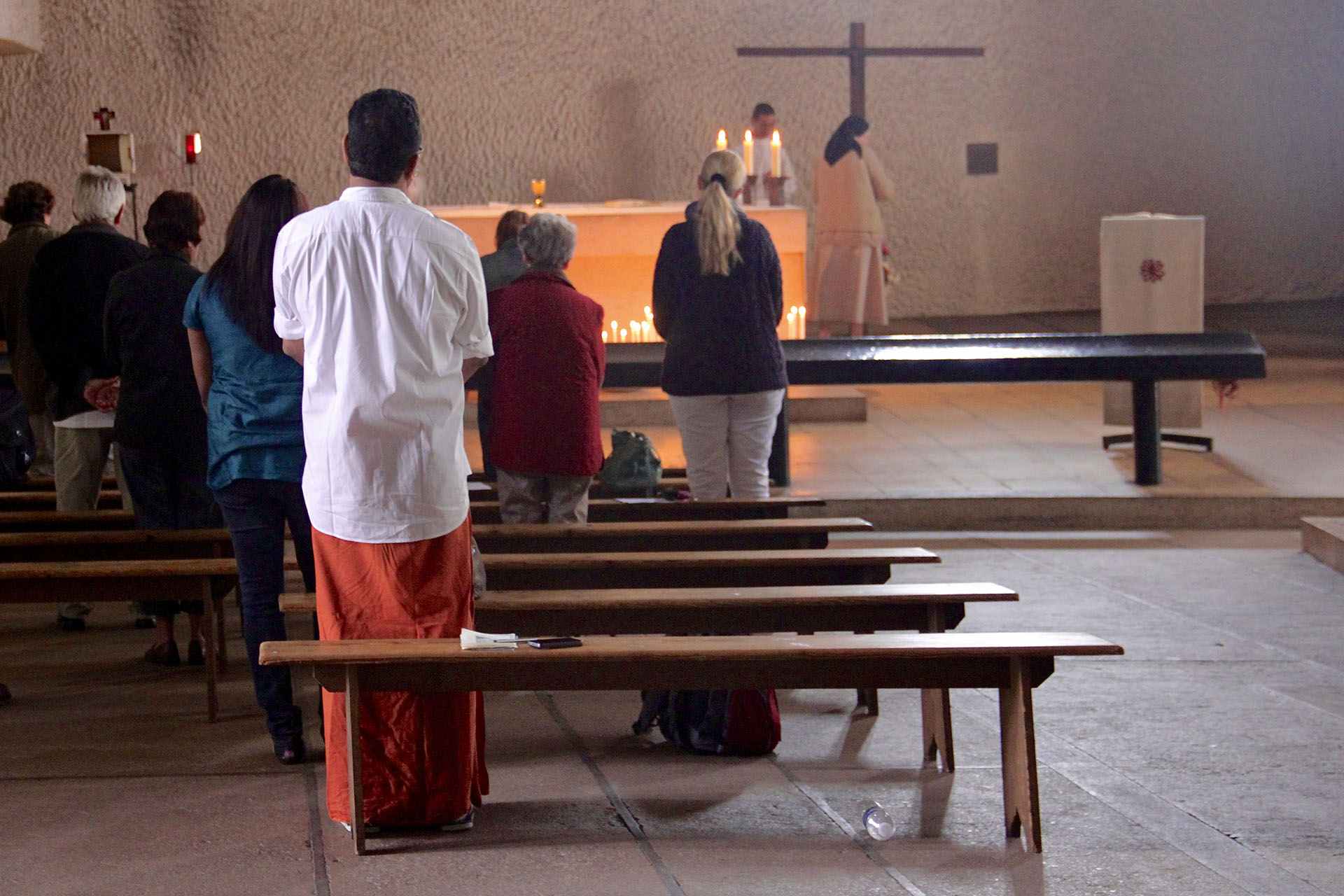
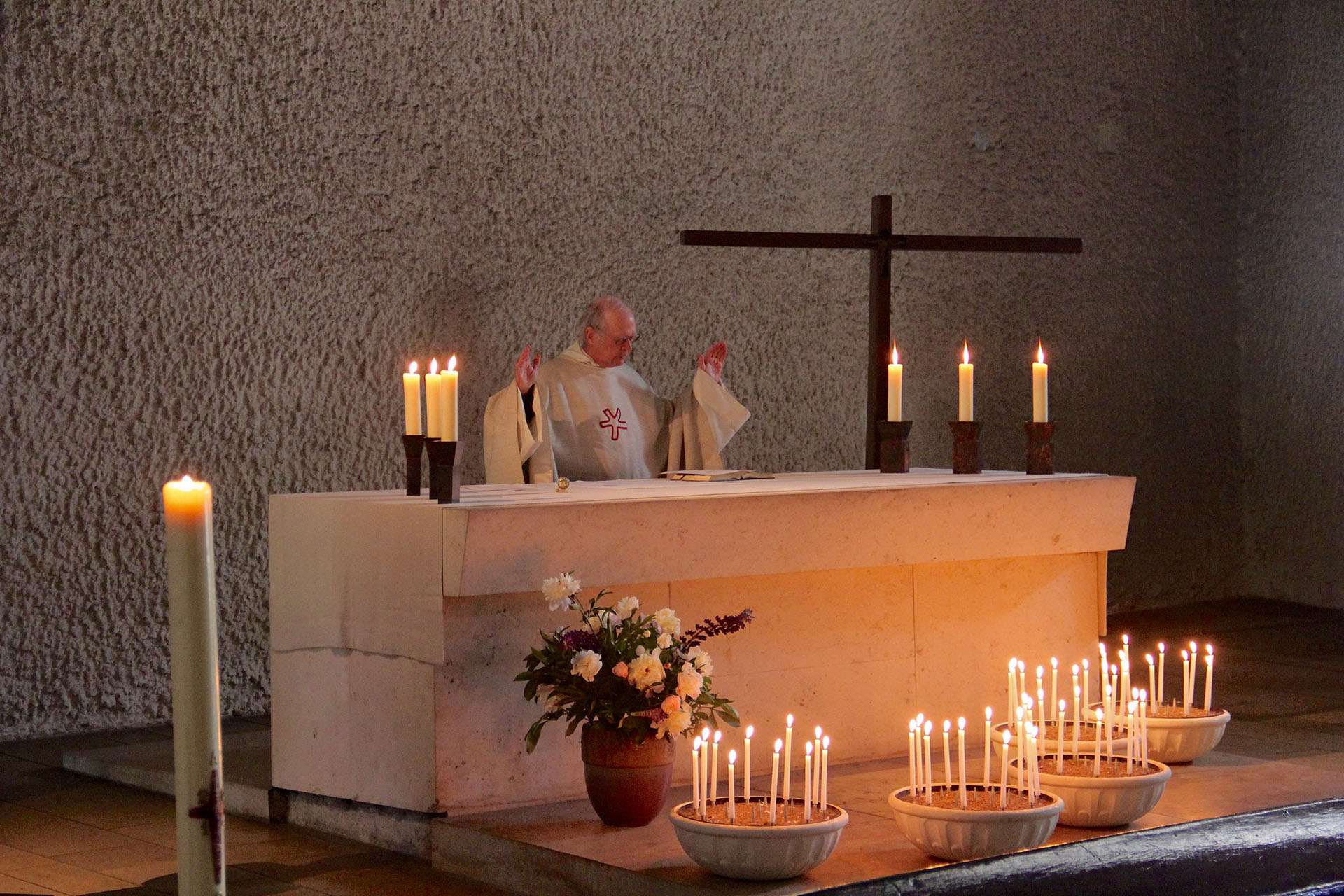
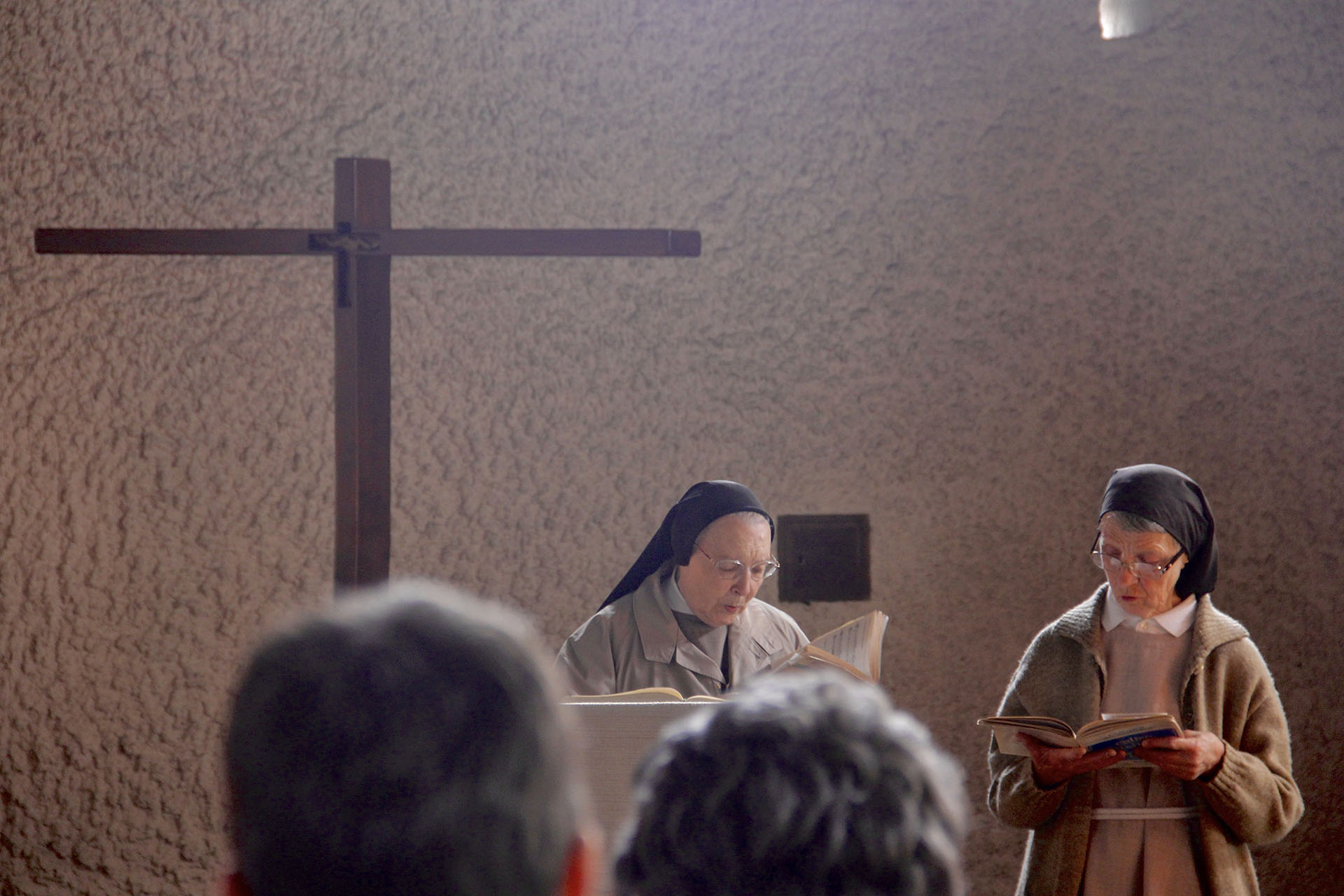
Inside the chapel, during the mass, something extraordinary happened. The priest, noticing our group, encouraged us to read from the Bible in Malayalam. He then asked if any of us could sing a praise song in our language. One of our group members began to sing a melodic Malayalam hymn, and the sound filled the space, blending with the soft light filtering through the stained glass. The combination of the familiar language and the sacred setting gave us goosebumps – a deeply moving moment that connected our distant home to this faraway place.
The experience of the mass, combined with the awe-inspiring architecture, brought some of our group to tears. The space seemed to resonate with something deep within us, evoking emotions that words could not fully express. It was as if Le Corbusier’s vision had reached into our souls, touching something raw and profound. Perhaps it was the realisation that we were standing in the presence of one of the most iconic works of modern architecture – a building that had changed the course of architectural history.
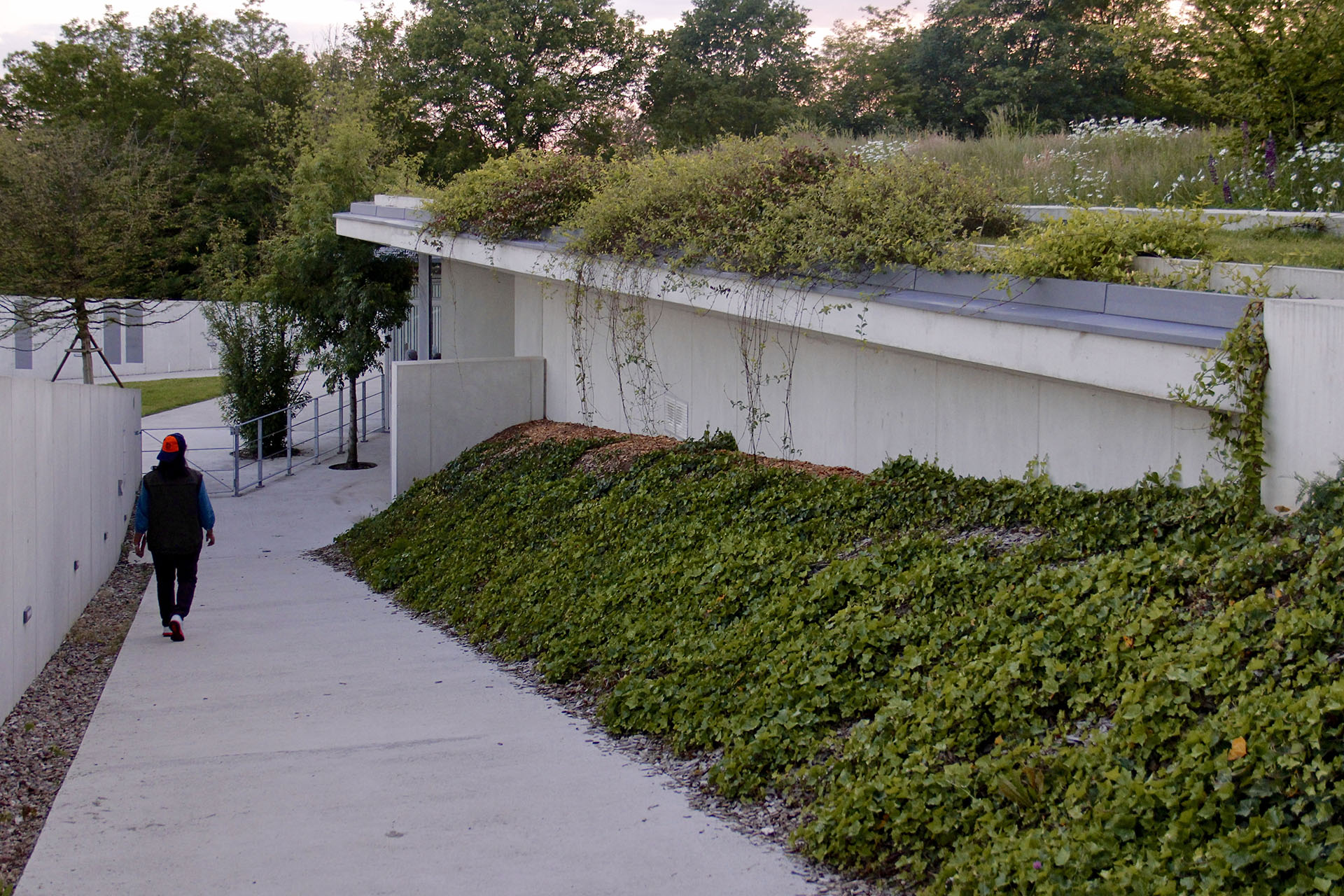
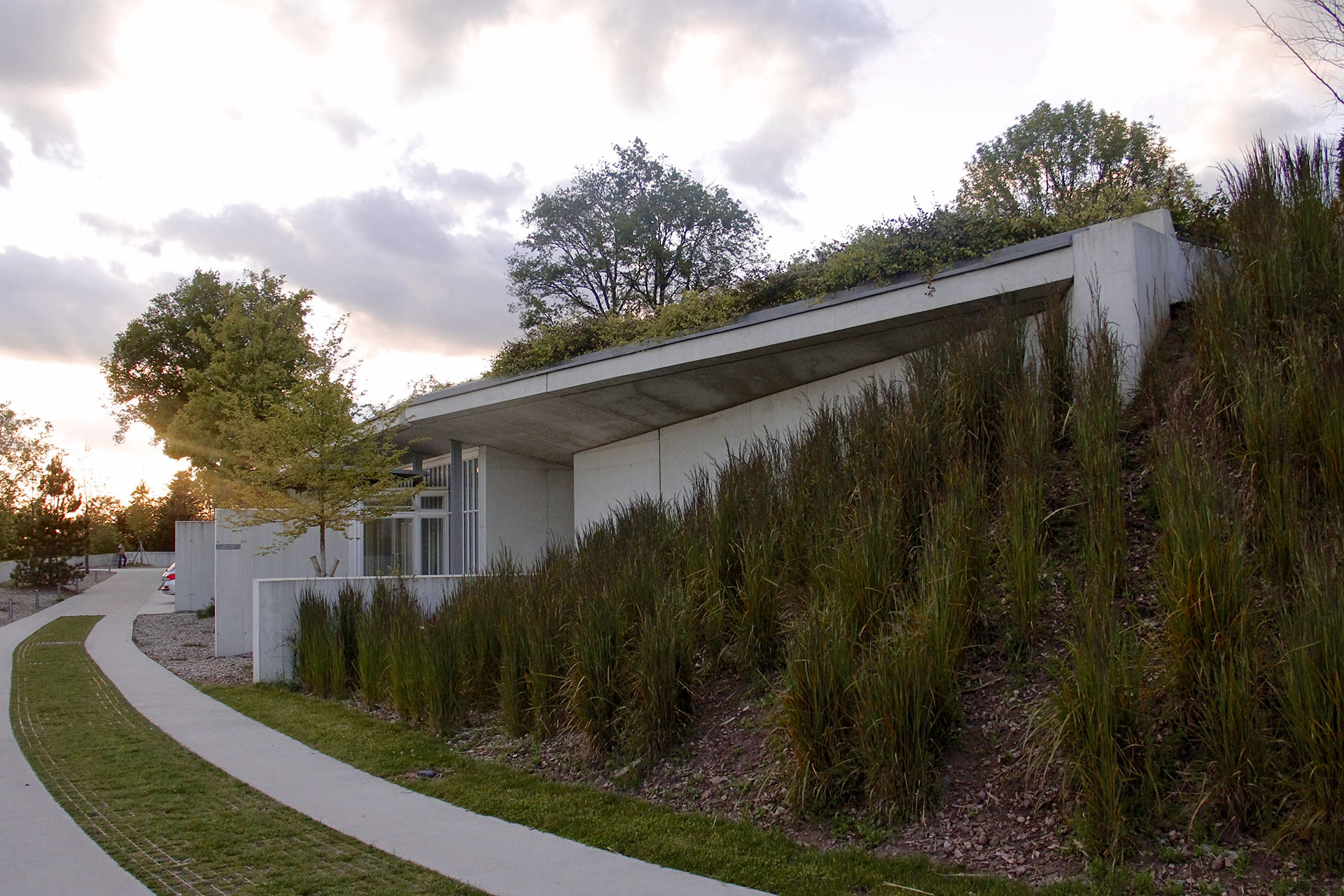
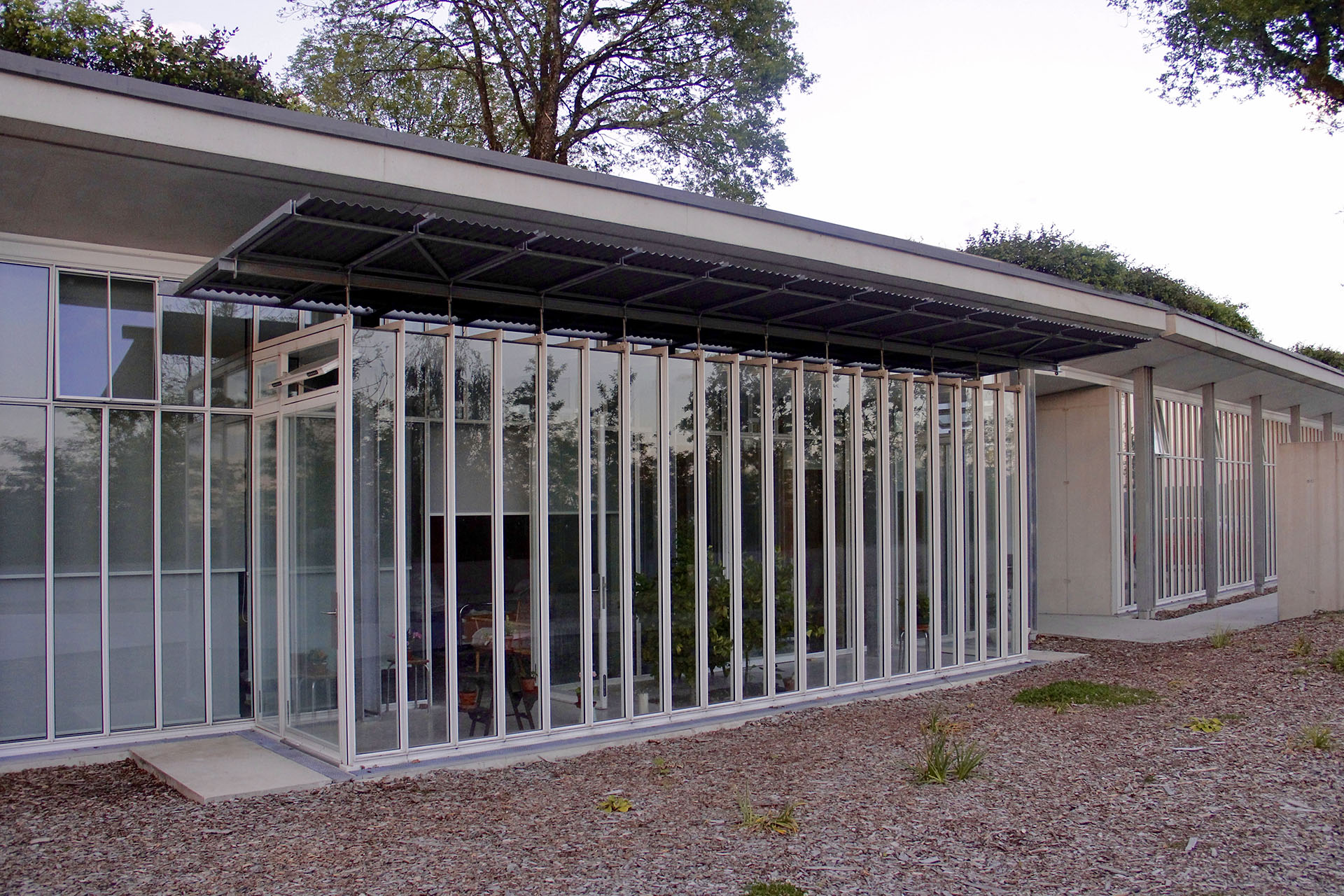
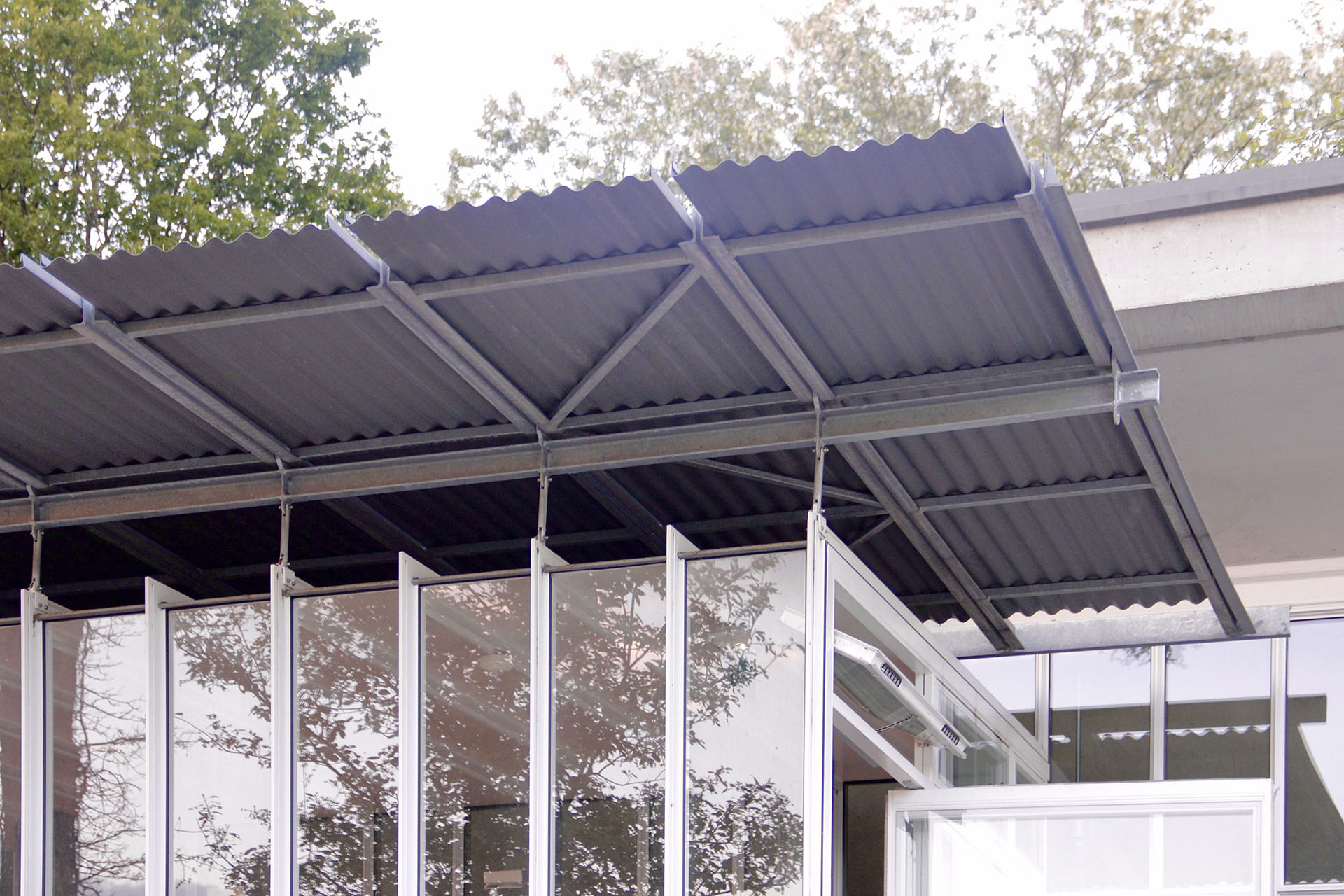
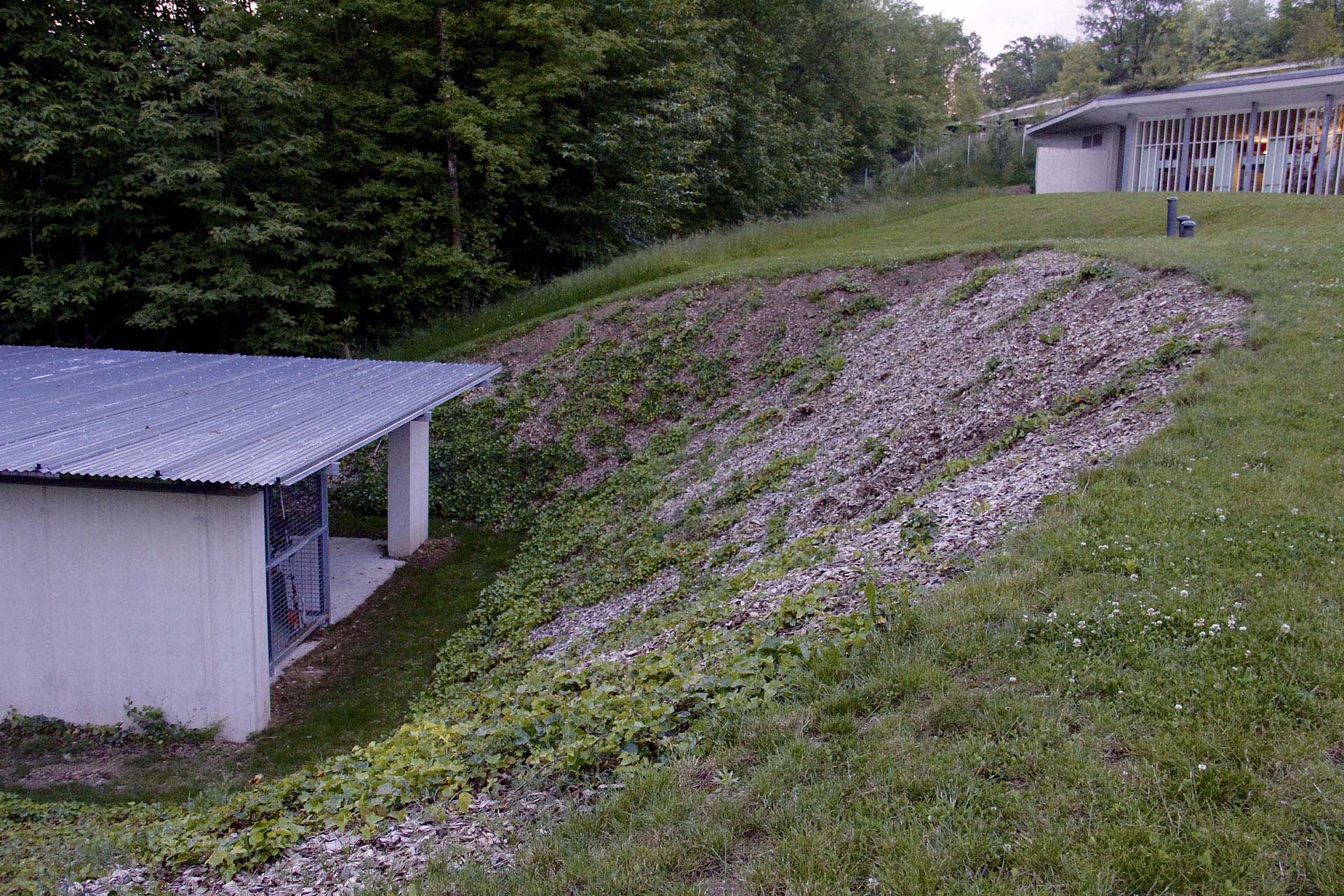
Before leaving, we also visited the controversial expansion on the mount by another master architect, Renzo Piano. We had read and heard that this addition was disliked by many, but standing there, we couldn’t help but appreciate the genius behind it. The intervention was light and minimal, almost as if it was whispering its presence. However, the building was unmistakably a Renzo Piano creation. The simple structural systems he had developed for this project shone through, making it a unique and unforgettable experience.
We spent hours in and around the chapel, each of us lost in our thoughts and reflections. The more we explored, the more the building revealed itself to us. It was a place of contrasts – light and shadow, solidity and lightness, simplicity and complexity. Yet, these contrasts were not in opposition; they were in perfect harmony, creating a sense of balance that resonated deeply within us.
We left Ronchamp with a sense of fulfillment, yet also a sense of longing. The Chapel of Notre-Dame du Haut had given us more than just an experience of architecture. It had offered a glimpse into the soul of Le Corbusier, revealing his vision of what architecture could be, a powerful force for good, for spirituality, for connection. It was a reminder that architecture is not just about buildings; it is about people, about the emotions and experiences those buildings create. This place has left an indelible mark on our minds and hearts, a source of inspiration that we will carry with us always. It stands as a touchstone for what is possible when architecture transcends the physical and becomes something more – a living, breathing entity that speaks to the very essence of our humanity.
“Where light and shadow breathe,
And walls whisper to the soul.”